







Homemade ghee usually has a rich, nutty and pleasant aroma. However, sometimes ghee can develop a strange smell that may be sour, burnt, stale or unusually strong. This can happen because of the way the ghee was prepared, the condition of the butter, moisture, storage or contamination.
A strange smell does not always mean that the ghee has spoiled. Understanding the reason can help you decide whether it can still be used or should be discarded.
What Should Homemade Ghee Normally Smell Like?
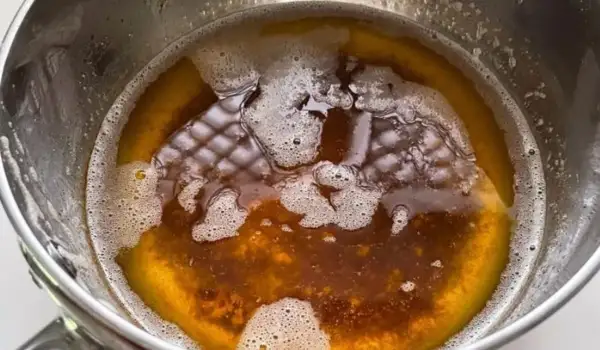
Fresh homemade ghee generally has a mild buttery, nutty and slightly sweet aroma. The exact smell can vary depending on the milk, butter, preparation method and cooking time.
A noticeable change in smell may indicate a preparation or storage problem.
| Smell | Possible Reason |
| Nutty and buttery | Usually normal |
| Slightly caramel-like | Normal after proper cooking |
| Burnt or smoky | Ghee was overheated |
| Sour | Butter or cream may have been too acidic |
| Stale or rancid | Fat may have oxidized |
| Unusually fermented | Moisture or microbial activity may be involved |
| Strange smell from container | Storage container may be affecting the aroma |
Why Does Homemade Ghee Smell Strange?
- The Butter Was Not Fresh
The quality of the butter has a major effect on the final ghee. If the butter was already old or had started developing an unpleasant smell, cooking it into ghee will not necessarily remove that problem.
Butter made from old cream can also give ghee a stale or sour aroma.
What to do: Always start with fresh butter or fresh cream and avoid using dairy ingredients that already smell unusual.
- The Butter Was Overheated
Ghee needs to be heated to remove water and separate the milk solids. However, excessive heating can burn the milk solids.
This can give the finished ghee a strong smoky, burnt or bitter smell.
How to prevent it:
- Use medium or low-medium heat.
- Stir occasionally while the butter melts.
- Watch the milk solids near the bottom of the pan.
- Remove the pan from heat when the ghee reaches the appropriate stage instead of continuing to cook it unnecessarily.
- The Milk Solids Were Burnt
During ghee preparation, milk solids settle at the bottom of the pan and gradually turn golden brown. This is normal to some extent.
But if they become very dark or black, they can create a burnt smell that transfers to the ghee.
If the ghee smells strongly burnt, simply straining it may not completely remove the aroma because the smell can already be present throughout the fat.
- Too Much Moisture Remained in the Ghee
Properly prepared ghee contains very little water. If it is removed from the heat too early or stored while moisture remains, its quality can deteriorate more quickly.
Moisture can also enter the jar through wet spoons or other utensils during storage.
Tip: Make sure the ghee is properly cooked and use a completely dry container and spoon.
- The Cream or Butter Had a Strong Sour Taste
Some homemade ghee is prepared from cultured cream or fermented butter. This can naturally produce a more pronounced aroma than ghee made from fresh cream.
A slightly different smell does not automatically mean the ghee is spoiled.
However, if the smell is strongly unpleasant, rotten or significantly different from the expected aroma, it is safer not to use it.
- The Ghee Was Stored in a Poorly Cleaned Container
A clean-looking container may still contain traces of an earlier food, detergent or moisture.
Ghee can absorb surrounding odours, particularly when stored for a long time.
For example, a jar that previously contained pickles, spices or strongly flavoured foods may affect the aroma of freshly prepared ghee.
Best practice: Use a clean, completely dry, food-safe airtight container.
- The Ghee Absorbed Odours From the Kitchen
Ghee can pick up strong surrounding smells when the container is left open.
Spices, onions, garlic, fried foods and other strongly aromatic ingredients can affect its smell over time.
Keep the jar closed whenever ghee is not being used.
- The Ghee Has Started to Become Rancid
Ghee is relatively stable because much of the water and milk solids are removed during preparation. However, prolonged exposure to air, heat and light can eventually affect the fat.
Oxidation can produce a stale, paint-like, bitter or unpleasant smell.
If your ghee smells noticeably rancid, it is better to discard it rather than trying to mask the smell.
How to Prevent Homemade Ghee From Developing a Strange Smell
A few simple practices can help maintain the aroma and quality of homemade ghee.
Use Fresh Ingredients
Start with fresh butter or cream. If the raw material already has an unpleasant smell, do not expect the ghee-making process to correct it.
Cook at the Right Temperature
Avoid extremely high heat. The goal is to remove moisture and separate the milk solids without burning them.
Strain the Ghee Properly
After cooking, strain the ghee through a clean, suitable strainer or filter to remove the remaining milk solids.
This helps keep the finished ghee cleaner.
Use a Dry Container
Before storing ghee, make sure the container is completely dry.
Even small amounts of water or food residue can affect the quality of stored ghee.
Use a Dry Spoon
Never put a wet spoon into the ghee jar. Use a clean and completely dry spoon each time.
Store It Away From Heat and Light
Keep the container in a cool, dry and dark place. Avoid placing it next to a stove or another source of constant heat.
For longer storage, follow appropriate storage practices for the type of ghee you have prepared.
Can Strange-Smelling Ghee Be Fixed?
It depends on why the ghee smells strange.
| Problem | Can It Usually Be Corrected? |
| Mild smell from the container | Sometimes, if the ghee itself is still good |
| Slightly stronger-than-usual aroma | May simply be due to preparation |
| Mildly smoky smell | Usually difficult to completely remove |
| Burnt smell | Generally cannot be fully corrected |
| Rancid smell | Do not try to correct it; discard |
| Sour or unusual smell with other spoilage signs | Discard |
If the issue is simply that the ghee has absorbed an odour from the storage container, transferring it to a clean, dry container may prevent further odour absorption. However, this should not be treated as a way to rescue ghee that has actually spoiled.
How to Tell If Homemade Ghee Has Gone Bad
Smell is one of the most useful signs, but you should also look at the overall condition of the ghee.
Check for:
- Strong rancid or rotten smell
- Unusual mould growth
- Unexpected changes in appearance
- Contamination from food or water
- Unusual texture accompanied by an unpleasant odour
- A clearly abnormal taste or smell
If there are clear signs of spoilage, do not taste the ghee to determine whether it is safe. When in doubt, throwing it away is the safer option.
Common Mistakes That Cause Bad-Smelling Ghee
Using Old Butter
Old butter can produce ghee with a stale or unpleasant aroma.
Cooking on Very High Heat
High heat can quickly burn the milk solids and create a smoky smell.
Storing Ghee While It Is Still Contaminated
Leaving too many milk solids or introducing moisture can reduce its storage quality.
Using Wet Utensils
Water and food particles introduced through a wet spoon can contaminate the jar.
Keeping the Jar Open
An open container can absorb moisture, dust and strong kitchen odours.
Storing It Near the Stove
Repeated exposure to heat can accelerate quality deterioration over time.
Homemade Ghee Smells Different From Market Ghee: Is That Normal?
Yes, homemade ghee may smell different from commercially produced ghee.
Commercial ghee is generally made under controlled processing and storage conditions, while homemade ghee can vary depending on the type of butter, milk, cooking temperature and preparation technique.
A stronger natural buttery or nutty aroma is not necessarily a sign of poor quality.
The important distinction is between a normal variation in aroma and a clearly unpleasant or rancid smell.
Frequently Asked Questions
Why does my homemade ghee smell sour?
A sour smell may come from the butter or cream used to make the ghee, particularly if it was cultured or had already become acidic. A strongly unpleasant sour smell should be treated cautiously.
Why does homemade ghee smell burnt?
The most common reason is overheating. If the milk solids at the bottom of the pan become too dark or burn, the entire batch can develop a smoky or burnt aroma.
Why does ghee smell different after storage?
Ghee can absorb surrounding odours or develop a stale smell after prolonged exposure to air, heat or light. The storage container and utensils can also affect its aroma.
Can I remove the burnt smell from ghee?
A mild smoky aroma may sometimes become less noticeable after straining, but strongly burnt ghee generally cannot be completely restored to its original aroma.
Can I eat ghee that smells rancid?
It is better not to use ghee that has a clearly rancid or spoiled smell. Do not rely on tasting it to determine whether it is safe.
Why does homemade ghee smell stronger than packaged ghee?
Homemade ghee can have a more noticeable natural dairy and nutty aroma because its flavour depends directly on the butter, cream and cooking process used.
Conclusion
Homemade ghee can develop a strange smell because of old butter, overheating, burnt milk solids, moisture, contamination, odour absorption or oxidation during storage. A slightly different aroma may simply reflect the ingredients or preparation method, but a strong rancid, rotten or clearly spoiled smell is a reason to discard the ghee.
Using fresh ingredients, controlled heat, clean dry utensils and proper storage can help homemade ghee retain its natural aroma for longer.