







The thyroid is a small, butterfly-shaped gland located at the front of the neck. It produces hormones that help control several important body functions, including metabolism, heart rate, body temperature and energy use.
When the thyroid produces too little or too much hormone, it can affect many parts of the body. Thyroid problems are common and can occur in people of different ages.
The symptoms can sometimes look like those of other health conditions. For example, tiredness, weight changes and mood changes may have many possible causes. Therefore, symptoms alone cannot confirm a thyroid disorder.
This guide explains the common thyroid symptoms, major types of thyroid problems, possible causes, risk factors and when to seek medical advice.
What Is the Thyroid?
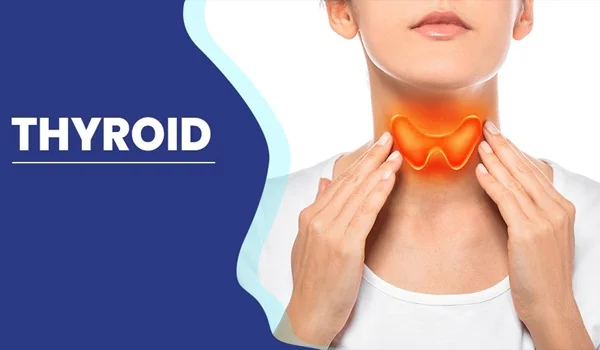
The thyroid is an endocrine gland that produces hormones, mainly thyroxine (T4) and triiodothyronine (T3).
These hormones influence how quickly the body uses energy.
The thyroid works closely with the pituitary gland, which produces thyroid-stimulating hormone (TSH). TSH helps regulate thyroid hormone production.
When this system does not work properly, thyroid disorders can develop.
Common Types of Thyroid Problems
Thyroid disorders can affect hormone production or the structure of the gland.
The main conditions include:
- Hypothyroidism
- Hyperthyroidism
- Goiter
- Thyroid nodules
- Thyroiditis
- Graves’ disease
- Hashimoto’s thyroiditis
- Thyroid cancer
The symptoms depend on the specific condition.
Hypothyroidism Symptoms
Hypothyroidism occurs when the thyroid does not produce enough thyroid hormones.
It can slow several body processes.
- Tiredness
Persistent tiredness or low energy is one of the common symptoms of hypothyroidism.
A person may feel tired even after getting enough sleep.
- Weight Gain
Some people with an underactive thyroid experience unexplained or gradual weight gain.
However, thyroid-related weight gain is often modest, and many other factors can affect body weight.
- Feeling Cold
People with hypothyroidism may feel unusually sensitive to cold compared with others.
- Dry Skin
The skin may become dry, rough or less hydrated.
- Hair Changes
Hypothyroidism can contribute to dry or thinning hair.
Some people may notice increased hair loss.
- Constipation
Slower body processes can affect bowel movements and cause constipation.
- Slow Heart Rate
Some people with hypothyroidism can develop a slower heart rate.
- Mood Changes
Depressed mood, reduced motivation or difficulty concentrating can occur.
However, these symptoms can have many causes.
- Muscle and Joint Problems
Muscle aches, stiffness or weakness may occur in some people.
- Menstrual Changes
Women with hypothyroidism may experience changes in menstrual periods, including heavier or irregular periods.
Hyperthyroidism Symptoms
Hyperthyroidism occurs when the thyroid produces too much thyroid hormone.
It can speed up several body processes.
- Weight Loss
Unexplained weight loss can occur despite having a normal or increased appetite.
- Fast Heartbeat
A person may experience a rapid or irregular heartbeat.
Some people may feel their heart pounding or racing.
- Increased Sweating
People with an overactive thyroid may sweat more than usual.
- Heat Intolerance
They may feel uncomfortable in warm environments or feel unusually hot.
- Nervousness or Anxiety
Hyperthyroidism can cause nervousness, irritability or anxiety-like feelings.
- Trembling
Fine shaking or trembling, particularly in the hands, can occur.
- Sleep Problems
Some people have difficulty falling asleep or staying asleep.
- Frequent Bowel Movements
Increased thyroid activity can speed up digestion and may lead to more frequent bowel movements or diarrhea.
- Muscle Weakness
Muscle weakness, particularly in the upper arms and thighs, can occur.
- Menstrual Changes
Women may experience lighter or less frequent periods.
Thyroid Symptoms in Women
Thyroid disorders are more common in women than men.
Women may experience:
- Tiredness
- Weight changes
- Hair loss
- Dry skin
- Mood changes
- Irregular periods
- Heavy periods
- Fertility problems
- Sensitivity to cold or heat
- Changes in heart rate
Thyroid function can also change during pregnancy and after childbirth, so appropriate medical monitoring may be important.
Thyroid Symptoms in Men
Men can develop thyroid disorders as well.
Possible symptoms include:
- Weight changes
- Fatigue
- Muscle weakness
- Mood changes
- Changes in heart rate
- Heat or cold intolerance
- Sleep problems
- Hair changes
In some cases, thyroid disorders can also affect sexual function or fertility.
Thyroid Problems in Children
Children can also develop thyroid disorders.
Possible signs of hypothyroidism may include:
- Poor growth
- Fatigue
- Constipation
- Dry skin
- Poor concentration
- Delayed development
Hyperthyroidism may cause:
- Weight loss
- Fast heartbeat
- Irritability
- Sweating
- Difficulty sleeping
- Increased appetite
Because thyroid hormones are important for growth and development, children with persistent symptoms should be evaluated by a healthcare professional.
Common Causes of Thyroid Problems
Different thyroid conditions have different causes.
Hashimoto’s Thyroiditis
Hashimoto’s thyroiditis is an autoimmune condition in which the immune system attacks thyroid tissue.
It is a common cause of hypothyroidism.
Graves’ Disease
Graves’ disease is an autoimmune condition that can cause hyperthyroidism.
It causes the thyroid gland to produce excessive thyroid hormones.
Iodine Imbalance
Iodine is required to produce thyroid hormones.
Both too little and, in certain circumstances, too much iodine can affect thyroid function.
Thyroiditis
Thyroiditis means inflammation of the thyroid.
Some forms can temporarily cause high thyroid hormone levels followed by low levels.
Certain Medicines
Some medicines can affect thyroid function.
If you take long-term medication and develop thyroid-related symptoms, discuss them with your doctor rather than stopping medication yourself.
Thyroid Nodules
Thyroid nodules are lumps within the thyroid gland.
Most thyroid nodules are not cancerous, but some may produce excess thyroid hormones or require further evaluation.
What Is Goiter?
A goiter is an enlarged thyroid gland.
It may occur because of iodine deficiency, autoimmune thyroid disease, thyroid nodules or other conditions.
A goiter may appear as swelling at the front of the neck.
Some people have no symptoms, while larger goiters can cause:
- Difficulty swallowing
- Difficulty breathing
- Neck pressure
- Changes in voice
Neck swelling should be medically evaluated.
What Are Thyroid Nodules?
Thyroid nodules are small lumps that develop within the thyroid.
Many nodules are harmless and may not cause symptoms.
Some nodules can produce thyroid hormones, while others may require tests to determine their nature.
A doctor may recommend:
- Thyroid blood tests
- Ultrasound
- Fine-needle aspiration in selected cases
The appropriate evaluation depends on the size and characteristics of the nodule.
How Are Thyroid Problems Diagnosed?
Symptoms alone cannot confirm a thyroid disorder.
Doctors commonly use blood tests such as:
- TSH
- Free T4
- Sometimes T3
- Thyroid antibody tests when an autoimmune condition is suspected
Depending on the situation, a doctor may also recommend a thyroid ultrasound or other investigations.
The correct tests depend on the symptoms and suspected thyroid condition.
Thyroid Symptoms and Weight Gain
Weight gain is often associated with hypothyroidism, but thyroid problems are not the only cause of weight gain.
Body weight can also be affected by:
- Diet
- Physical activity
- Sleep
- Stress
- Age
- Medicines
- Hormonal conditions
- Other health problems
If weight changes are unexplained or significant, medical evaluation can help identify the cause.
Thyroid and Pregnancy
Thyroid hormones are important during pregnancy.
Both hypothyroidism and hyperthyroidism may require careful monitoring during pregnancy.
Women who have a known thyroid disorder or develop symptoms during pregnancy should discuss them with their healthcare professional.
Pregnancy can also change thyroid test results, so thyroid levels should be interpreted using appropriate pregnancy-specific medical guidance.
When Should You See a Doctor?
Consider seeing a healthcare professional if you have persistent:
- Unexplained weight changes
- Extreme tiredness
- Fast or unusually slow heartbeat
- Unusual sensitivity to cold or heat
- Hair loss
- Persistent constipation
- Frequent bowel movements
- Menstrual changes
- Neck swelling
- Difficulty swallowing
- Unexplained anxiety or mood changes
If you notice sudden severe symptoms such as chest pain, severe breathing difficulty, fainting or a very fast or irregular heartbeat, seek urgent medical care.
Frequently Asked Questions
What are the most common thyroid symptoms?
Common symptoms depend on the thyroid problem. Hypothyroidism may cause tiredness, weight gain, cold sensitivity and constipation, while hyperthyroidism may cause weight loss, sweating, heat intolerance and a fast heartbeat.
Can thyroid problems cause weight gain?
Yes. Hypothyroidism can contribute to weight gain, but many other factors can also affect body weight.
Can thyroid problems cause hair loss?
Yes. Both underactive and overactive thyroid conditions can sometimes cause hair thinning or hair loss.
Is thyroid disease curable?
Some thyroid conditions can be treated effectively, while others require long-term management. Treatment depends on the specific condition and its cause.
How is thyroid disease diagnosed?
Doctors commonly use blood tests such as TSH and free T4. Additional tests, including thyroid antibodies or ultrasound, may be used when needed.
Is thyroid disease common in women?
Yes. Several thyroid disorders, particularly autoimmune thyroid diseases, are more common in women.
Can thyroid problems be prevented?
Not all thyroid disorders can be prevented because genetics and autoimmune conditions can play a role. Maintaining adequate but not excessive iodine intake and getting appropriate medical care can support thyroid health.
Final Thoughts
The thyroid plays an important role in controlling metabolism, energy use, heart rate and other body functions. Thyroid problems can occur when the gland produces too little or too much hormone or when its structure changes.
An underactive thyroid may cause tiredness, weight gain, cold sensitivity, dry skin and constipation. An overactive thyroid can cause weight loss, sweating, heat intolerance, anxiety and a fast heartbeat.
Because many thyroid symptoms are similar to symptoms of other health conditions, they should not be used to diagnose a thyroid disorder on their own. Blood tests and, when necessary, other medical investigations can help identify the problem.
If you have persistent symptoms or swelling in the neck, speak with a qualified healthcare professional for appropriate evaluation and treatment.
This article is for general health information only and is not a substitute for medical diagnosis, treatment or professional medical advice.