







Vitamin B12 is an important nutrient that helps the body make red blood cells, maintain healthy nerve cells and produce DNA. It is mainly found naturally in animal-based foods, while some vegetarian foods are fortified with vitamin B12.
Vitamin B12 deficiency can develop slowly and may cause tiredness, weakness, anemia, numbness or other nerve-related symptoms. If it remains untreated for a long time, some nerve problems can become serious or may not fully recover.
This guide explains the symptoms, causes, risk factors, diagnosis and treatment of vitamin B12 deficiency in simple terms.
What Is Vitamin B12 Deficiency?
Vitamin B12 deficiency occurs when the body does not have enough vitamin B12 to meet its needs.
The body stores vitamin B12 for a long time, so deficiency may take months or even years to develop. Some people may have low B12 because they do not get enough from their diet, while others may have difficulty absorbing the vitamin.
Vitamin B12 is important for:
- Red blood cell formation
- Normal nerve function
- DNA production
- Healthy brain function
- Normal energy metabolism
Because B12 is involved in red blood cell production and nerve function, deficiency can affect several parts of the body.
Vitamin B12 Deficiency Symptoms
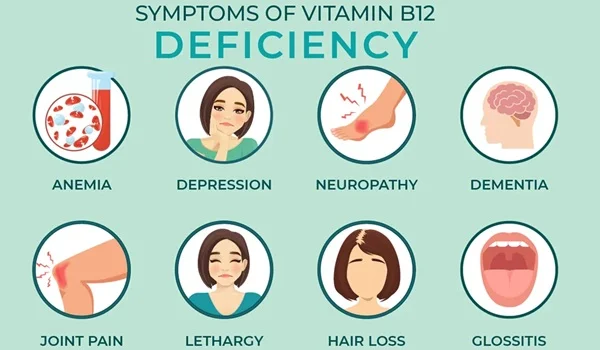
Symptoms can develop gradually and may initially be easy to overlook.
- Tiredness and Weakness
Feeling unusually tired, weak or lacking energy is a common symptom.
B12 deficiency can cause a type of anemia called megaloblastic anemia, which can reduce the blood’s ability to carry oxygen efficiently.
However, tiredness has many possible causes and does not automatically mean you have low B12.
- Pale or Yellowish Skin
Some people with B12 deficiency may develop pale skin.
In certain cases, the skin can have a slightly yellow appearance because abnormal red blood cell breakdown can increase bilirubin levels.
- Numbness or Tingling
B12 deficiency can affect the nervous system.
You may experience:
- Tingling in the hands or feet
- Numbness
- Pins-and-needles sensations
- Burning sensations
These symptoms should not be ignored, particularly if they continue or become worse.
- Balance Problems
Long-term B12 deficiency can affect nerves involved in movement and balance.
Some people may experience difficulty walking or feel less steady on their feet.
- Muscle Weakness
Nerve problems caused by severe or prolonged B12 deficiency can contribute to muscle weakness.
- Memory or Concentration Problems
Some people with B12 deficiency may experience:
- Difficulty concentrating
- Memory problems
- Confusion
- Mental changes
These symptoms can have many other causes, so professional assessment is important.
- Sore or Swollen Tongue
B12 deficiency can cause glossitis, in which the tongue becomes sore, smooth or swollen.
Some people may also notice mouth ulcers or changes in taste.
- Mood Changes
Vitamin B12 deficiency may be associated with mood changes, irritability or low mood.
However, mental health symptoms can have many causes and should not automatically be attributed to vitamin deficiency.
- Heart Palpitations
Severe anemia caused by B12 deficiency may cause a fast heartbeat or awareness of the heartbeat.
- Shortness of Breath
When anemia becomes significant, a person may experience breathlessness, particularly during physical activity.
Causes of Vitamin B12 Deficiency
B12 deficiency can occur because of insufficient intake, poor absorption or certain medical conditions.
- Low B12 Intake
Vitamin B12 naturally occurs mainly in animal-based foods.
People who eat little or no animal products may have a higher risk unless they regularly consume fortified foods or appropriate supplements.
- Vegetarian and Vegan Diets
A well-planned vegetarian diet can provide many nutrients, but natural vitamin B12 sources are limited.
Vegans may need fortified foods or a B12 supplement to meet their requirements.
People following vegetarian diets should discuss their nutritional needs with a qualified healthcare professional or dietitian if they are concerned about B12 intake.
- Pernicious Anemia
Pernicious anemia is an autoimmune condition in which the body does not produce enough intrinsic factor, a protein needed for vitamin B12 absorption.
This can lead to significant B12 deficiency even when dietary intake is adequate.
- Stomach or Intestinal Problems
Certain conditions affecting the stomach or small intestine can reduce B12 absorption.
Examples include some gastrointestinal disorders and conditions that affect the part of the intestine where B12 is absorbed.
- Stomach or Intestinal Surgery
Some surgeries that remove or alter parts of the stomach or small intestine can affect vitamin B12 absorption.
- Certain Medicines
Long-term use of some medicines can affect vitamin B12 levels or absorption.
Examples may include certain medicines used for diabetes or medicines that reduce stomach acid.
Do not stop prescribed medication because of concerns about B12. Discuss possible nutritional effects with your doctor.
- Age
Older adults may have a higher risk of vitamin B12 deficiency because absorption can become less efficient and some people produce less stomach acid.
Foods Rich in Vitamin B12
Vitamin B12 is naturally found mainly in animal-based foods.
Fish and Seafood
Good sources can include:
- Sardines
- Salmon
- Tuna
- Trout
- Shellfish
Meat
Meat can provide significant amounts of vitamin B12.
Examples include:
- Chicken
- Mutton
- Beef
- Other meats
Eggs
Eggs contain vitamin B12 and can contribute to daily intake.
Milk and Dairy Products
Milk, yogurt and other dairy products provide vitamin B12 in varying amounts.
Fortified Foods
Some foods have vitamin B12 added to them.
These can include:
- Fortified breakfast cereals
- Fortified plant-based milk
- Fortified nutritional products
Always check the nutrition label because B12 levels vary between products.
Vitamin B12 Sources for Vegetarians
For vegetarians in India, useful sources can include:
- Milk
- Curd
- Paneer
- Cheese
- Eggs, if included in the diet
- B12-fortified foods
However, the amount of B12 available from these foods may not always be enough to correct an established deficiency.
People with confirmed deficiency may need medical treatment rather than relying only on food.
Vitamin B12 Deficiency and Anemia
One of the important effects of B12 deficiency is megaloblastic anemia.
In this condition, the body produces unusually large and abnormal red blood cells.
Possible symptoms include:
- Fatigue
- Weakness
- Pale skin
- Breathlessness
- Dizziness
- Fast heartbeat
B12 deficiency is only one possible cause of anemia. Folate deficiency and other conditions can cause similar blood changes.
Therefore, testing is important before assuming that B12 is the cause.
Vitamin B12 Deficiency and Nerve Problems
Vitamin B12 is essential for normal nerve function.
Long-term deficiency can cause nerve-related symptoms such as:
- Numbness
- Tingling
- Balance problems
- Muscle weakness
- Difficulty walking
One important point is that nerve symptoms can occur even without severe anemia.
This is why persistent numbness or tingling should be medically evaluated.
How Is Vitamin B12 Deficiency Diagnosed?
Symptoms alone cannot reliably confirm B12 deficiency.
A healthcare professional may use:
- Medical history
- Physical examination
- Complete blood count
- Serum vitamin B12 testing
- Additional tests when needed
In some cases, doctors may order tests such as methylmalonic acid or other investigations when the initial B12 result does not clearly explain the symptoms.
The exact tests required depend on the person’s symptoms and medical history.
Vitamin B12 Deficiency Treatment
Treatment depends on the cause and severity of the deficiency.
Dietary Changes
If low dietary intake is responsible, increasing B12-containing foods or fortified foods may help.
However, diet alone may not be enough when absorption is impaired.
Vitamin B12 Tablets
Oral vitamin B12 supplements are commonly used for many people with deficiency.
The dose depends on the cause and severity of the deficiency.
Vitamin B12 Injections
Some people may need vitamin B12 injections, particularly when absorption is severely impaired or when deficiency is significant.
The treatment schedule varies depending on the underlying cause and medical assessment.
Treating the Underlying Cause
If deficiency is caused by a medical condition, surgery or a medicine-related problem, addressing the underlying issue is an important part of treatment.
How Long Does Treatment Take?
The response to treatment varies.
Blood-related symptoms may improve relatively quickly after treatment begins, while nerve symptoms can take longer.
If nerve damage has been present for a long time, recovery may be incomplete in some cases.
For this reason, early diagnosis and treatment are important.
Can Vitamin B12 Deficiency Be Prevented?
Many cases can be prevented through an adequate diet or appropriate supplementation.
Helpful steps include:
- Eat foods that contain vitamin B12.
- Use fortified foods if your diet contains little B12.
- If you follow a vegan diet, discuss reliable B12 supplementation with a healthcare professional.
- People with conditions affecting B12 absorption may need regular monitoring.
- Do not take high-dose supplements unnecessarily without professional guidance.
Who Is at Higher Risk?
The risk can be higher among:
- Vegans and people who consume very little animal food
- Older adults
- People with pernicious anemia
- People with certain digestive disorders
- People who have undergone certain stomach or intestinal surgeries
- People taking certain medicines for long periods
- People with conditions affecting nutrient absorption
Having a risk factor does not necessarily mean that you have a deficiency.
When Should You See a Doctor?
You should consider medical advice if you have persistent:
- Unexplained tiredness
- Weakness
- Numbness
- Tingling
- Balance problems
- Memory or concentration difficulties
- Pale skin
- Sore tongue
- Shortness of breath
Seek professional evaluation particularly when neurological symptoms such as numbness or balance problems continue.
Frequently Asked Questions
What are the first signs of vitamin B12 deficiency?
Early symptoms can include tiredness, weakness, pale skin, sore tongue and numbness or tingling. However, symptoms vary and some people have no obvious signs.
Which foods are highest in vitamin B12?
Fish, seafood, meat, eggs and dairy products are common natural sources. Fortified cereals and plant-based drinks can also provide B12.
Can vegetarians have B12 deficiency?
Yes. Vegetarians can develop B12 deficiency because natural food sources are mainly animal-based. Dairy products, eggs and fortified foods can provide B12, but some people may still require supplements.
Can vitamin B12 deficiency be cured?
In many cases, B12 deficiency can be corrected with appropriate treatment. However, the underlying cause needs to be identified, especially when absorption is impaired.
How long does it take to recover from B12 deficiency?
Recovery depends on how severe the deficiency is and how long it has been present. Blood abnormalities may improve with treatment, while nerve symptoms can take longer and may sometimes be permanent if the deficiency was prolonged.
Can I take B12 supplements without a test?
Some people take B12 supplements because they have a diet low in B12, but unexplained symptoms should not be self-diagnosed. If you suspect deficiency, a healthcare professional can decide whether testing is appropriate.
Is vitamin B12 deficiency common in India?
B12 deficiency or low B12 status can occur in India, particularly among people with diets low in animal-based foods and people with absorption-related problems. Individual risk varies, so testing may be appropriate when symptoms or risk factors are present.
Final Thoughts
Vitamin B12 is essential for red blood cell production, DNA formation and healthy nerve function. Deficiency can cause tiredness and anemia, but it can also affect the nervous system and lead to numbness, tingling, balance problems and weakness.
Common causes include low dietary intake, problems with B12 absorption, pernicious anemia, certain medical conditions, some medicines and age-related changes.
Foods such as fish, meat, eggs, milk and fortified foods can help provide vitamin B12. However, food alone may not correct an established deficiency, particularly when the body cannot absorb B12 properly.
If you have persistent fatigue, numbness, tingling, balance problems or other symptoms associated with B12 deficiency, speak with a qualified healthcare professional. Proper testing can help identify the cause and guide appropriate treatment.
This article is for general health information only and is not a substitute for medical diagnosis, treatment or professional medical advice.