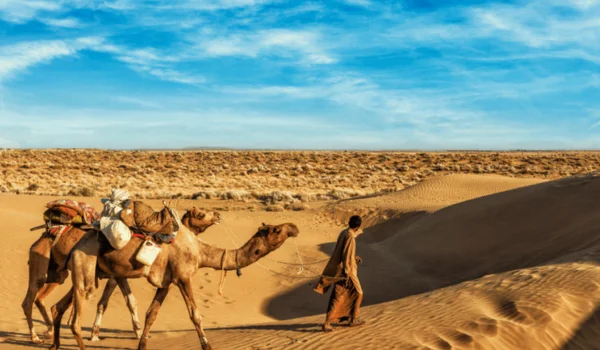






India is a popular travel destination known for its historical monuments, beaches, temples, markets, mountains and rich culture. Millions of domestic and international tourists travel across the country every year.
Most trips are safe and enjoyable, but like many tourist destinations around the world, some travellers may encounter overcharging, fake guides, unnecessary commissions, misleading offers or transportation scams.
A tourist trap does not always mean that a place itself is unsafe or dishonest. Sometimes, it simply means an area where tourists are more likely to pay higher prices or encounter aggressive sellers.
Knowing common warning signs can help you protect your money, documents and time while enjoying your trip.
What Is a Tourist Trap?
A tourist trap is a place, business or situation where visitors may be charged unusually high prices or encouraged to buy something they do not really need.
Common examples include:
- Overpriced taxis
- Fake tour guides
- Unofficial ticket sellers
- Commission-based shopping
- Fake hotel or attraction claims
- Inflated restaurant bills
- Unnecessary transportation
- Fake charity requests
- Poor-quality goods sold at tourist prices
Not every tourist-heavy area is a tourist trap. Popular attractions such as the Taj Mahal, Goa beaches and Jaipur’s forts are genuine destinations that are worth visiting. The issue is usually with certain sellers or services operating around tourist areas.
Common Tourist Trap Areas in India
- Delhi
Delhi attracts tourists because of attractions such as the Red Fort, India Gate, Qutub Minar, Humayun’s Tomb and Old Delhi.
Tourists may encounter:
- Unofficial guides
- Taxi overcharging
- Fake shopping recommendations
- Commission-based shops
- People claiming that attractions are closed
Safety Tip
Use official transportation or trusted app-based services where available. For monuments, purchase tickets through official channels whenever possible.
Be cautious if a stranger suddenly tells you that a major attraction is closed and offers to take you somewhere else.
- Agra
Agra is one of India’s busiest tourist destinations because of the Taj Mahal.
Common problems reported by travellers can include:
- Unofficial guides
- Overpriced souvenirs
- Fake handicraft shops
- Rickshaw or taxi overcharging
- Commission-based shopping trips
Safety Tip
If you want a guide, use an authorised guide or a reputable tour provider. Do not feel pressured to enter a shop simply because a driver or guide recommends it.
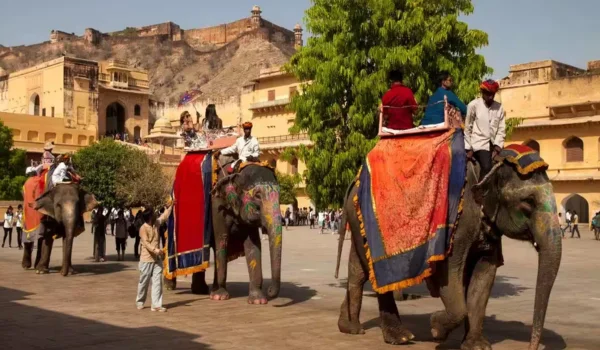
- Jaipur
Jaipur is famous for its forts, palaces, jewellery, textiles and handicrafts.
Tourists may encounter aggressive sellers offering:
- Gemstones
- Jewellery
- Carpets
- Handicrafts
- Textiles
Some sellers may claim that an item is much more valuable than its actual market price.
Safety Tip
Compare prices at several stores before making an expensive purchase. For valuable gemstones or jewellery, use a reputable seller and ask for proper documentation.
- Goa
Goa is popular for beaches, nightlife, water activities and restaurants.
Possible tourist-related problems include:
- Inflated taxi fares
- Unclear activity prices
- Unlicensed tour operators
- Overpriced beach services
- Restaurant bill disputes
Safety Tip
Confirm the price before booking a taxi, water activity or other service.
If renting a vehicle, check its condition and understand the rental terms before accepting it.
- Mumbai
Mumbai attracts tourists with places such as the Gateway of India, Marine Drive, Colaba and its historic neighbourhoods.
Busy tourist areas can have:
- Street sellers
- Unofficial guides
- Overpriced souvenirs
- Transportation overcharging
Safety Tip
Keep your phone, wallet and passport secure in crowded areas. Avoid displaying large amounts of cash.
Common Tourist Scams in India
- “The Attraction Is Closed” Scam
One common tactic is telling tourists that a famous attraction is temporarily closed.
The person may then recommend another attraction, shop or tour.
How to Avoid It
Check attraction timings and closure information through official sources before leaving your hotel.
Do not rely only on a stranger’s claim.
- Fake Guide Scam
Someone may approach you near a tourist attraction and offer to provide a quick tour.
The guide may later demand a much higher fee than expected.
How to Avoid It
Agree on the price before starting. Better still, use an authorised guide or reputable tour service.
- Taxi and Auto-Rickshaw Overcharging
A driver may quote a much higher fare than expected, especially when a traveller does not know local prices.
How to Avoid It
Ask about the fare before starting the journey. Where practical, use a metered taxi or a reliable ride-booking service.
- Commission Shopping
A driver or guide may take tourists to a particular shop and receive a commission from the seller.
The tourist may be told that the shop has the “best prices” or special products.
How to Avoid It
Compare prices at multiple shops. Do not buy expensive items because someone pressures you.
- Fake Charity Requests
Someone may approach tourists asking for money for a child, religious cause or charity.
While genuine charitable organisations exist, travellers should be cautious about handing money to strangers based only on an emotional story.
How to Avoid It
If you want to donate, use a recognised organisation.
- Hotel Booking Problems
A person may claim that your hotel is full, closed or unavailable and offer to take you to another hotel.
This can sometimes lead to unnecessary commissions or higher prices.
How to Avoid It
Confirm your booking directly with the hotel before travelling. Keep your booking confirmation available.
- Restaurant Bill Problems
Some restaurants in tourist areas may have unclear prices or additional charges.
How to Avoid It
Check the menu and prices before ordering. Review the bill before paying.
If something looks incorrect, calmly ask the restaurant staff for an explanation.
- Fake or Poor-Quality Products
Tourist markets can contain products advertised as genuine, handmade or highly valuable.
Examples may include:
- Gemstones
- Jewellery
- Carpets
- Antiques
- Handicrafts
How to Avoid It
Do not make expensive purchases without checking quality, authenticity and return policies.
How to Stay Safe in Tourist Areas
Research Before You Travel
Learn basic information about:
- Attraction opening hours
- Ticket prices
- Local transportation
- Typical travel times
- Hotel location
- Common local scams
Knowing the basics makes it harder for someone to mislead you.
Keep Important Documents Safe
Your passport, identification, cards and important documents should be kept secure.
Carry a copy or secure digital backup where appropriate.
Do not hand your passport to an unknown person as security for a service.
Be Careful With Money
Avoid displaying large amounts of cash in crowded places.
Separate your cash and payment cards rather than keeping everything in one place.
Confirm Prices First
This is one of the simplest ways to avoid disputes.
Before using a service, ask:
“How much will it cost in total?”
For taxis, tours, activities and shopping, confirm whether the quoted amount includes additional charges.
Do Not Feel Pressured
A legitimate seller or service provider should allow you time to make a decision.
If someone becomes aggressive or repeatedly pressures you, simply walk away when it is safe to do so.
You do not need to purchase something just because someone started a conversation with you.
How to Handle an Uncomfortable Situation
If you believe someone is trying to overcharge or mislead you:
- Stay calm.
- Ask for the agreed price or bill.
- Avoid arguing aggressively.
- Move to a public place if necessary.
- Contact your hotel or travel provider for assistance.
- Use official authorities when a serious incident occurs.
If you lose your passport, cards or other important documents, contact the relevant authorities and your embassy or consulate if necessary.
Tourist Trap Red Flags
Be extra careful when someone:
- Says an attraction is unexpectedly closed
- Offers a service without being asked
- Promises an unusually cheap price
- Demands immediate payment
- Takes you to a shop without asking
- Claims something is extremely valuable
- Asks to see your passport unnecessarily
- Refuses to show prices
- Changes the agreed price later
- Creates pressure to make a quick decision
One warning sign does not automatically mean that someone is dishonest, but several warning signs together deserve caution.
Safe Shopping Tips in India
Shopping is an important part of many India trips, particularly in cities such as Jaipur, Delhi, Mumbai, Agra and Varanasi.
Follow these tips:
- Compare prices.
- Ask whether the price is fixed.
- Check product quality.
- Keep receipts for expensive purchases.
- Understand return policies.
- Avoid buying valuable items without proper documentation.
- Do not assume a product is genuine because a seller says it is.
For expensive jewellery, gemstones or antiques, use established businesses and obtain appropriate bills or certificates.
Safe Transportation Tips
Transportation is one of the areas where tourists should be especially careful.
Before starting:
- Confirm the destination.
- Confirm the fare.
- Check whether tolls or parking are extra.
- Use official or trusted services.
- Keep your belongings with you.
- Avoid getting into vehicles offered by random strangers.
For long-distance travel, book trains, buses and flights through official or reputable booking channels.
Are Indian Tourist Destinations Safe?
Many popular tourist destinations in India are visited safely by millions of people each year.
However, no destination is completely free from scams, theft or dishonest individuals.
The best approach is not to be afraid of travelling but to remain alert.
Basic precautions such as researching prices, securing belongings, confirming services and avoiding unsolicited offers can significantly reduce problems.
Tips for First-Time Visitors to India
If this is your first India trip, remember these simple rules:
- Research Your Destination
Know the basic prices and transportation options.
- Book Accommodation Carefully
Choose hotels with reliable reviews and clear booking information.
- Use Official Tickets
Buy attraction tickets through official channels whenever possible.
- Keep Emergency Contacts
Save your hotel, travel provider and relevant emergency contacts.
- Trust Your Instincts
If a situation feels uncomfortable, leave and seek help.
- Avoid Carrying Too Much Cash
Use secure payment methods where practical.
- Be Respectful
Understanding local customs and dress expectations can make your experience smoother.
Frequently Asked Questions
What are the most common tourist scams in India?
Common problems include fake guides, taxi overcharging, commission-based shopping, fake attraction closure claims, unclear restaurant bills and misleading product claims.
Is India safe for tourists?
Many tourists travel around India safely every year. Like anywhere else, visitors should remain aware of their surroundings and take reasonable precautions.
How can I avoid taxi scams in India?
Confirm the fare before travelling and use metered, official or trusted ride-booking services where available.
Should I buy expensive jewellery or gemstones from tourist markets?
Be cautious. For expensive purchases, choose reputable sellers, compare prices and request proper bills and authenticity documentation.
What should I do if someone tries to scam me?
Stay calm, avoid confrontation, leave the situation if possible and seek assistance from your hotel, travel provider or appropriate authorities.
Are tourist attractions in India genuine?
Major attractions such as the Taj Mahal, Red Fort, Amber Fort and Gateway of India are genuine tourist destinations. The risk generally comes from certain individuals or businesses operating around busy tourist areas.
Final Thoughts
India is a diverse and rewarding country to explore, and most travellers can enjoy their trips without major problems. However, knowing about common tourist traps and scams can help you travel more confidently.
The most important rule is simple: research before you pay. Check official ticket prices, confirm transportation costs, compare shopping prices and avoid people who pressure you into making quick decisions.
Be especially careful around busy tourist attractions, transport hubs and popular markets. Keep your money and documents secure, use reputable services and trust your instincts when something does not feel right.
You do not need to be suspicious of everyone you meet. A balanced approach works best: stay friendly, stay informed and stay alert. This allows you to enjoy India’s food, history, culture and natural beauty while reducing the chances of an unpleasant travel experience.