






Travelling in India is easier when your important documents are organised before you leave home. Whether you are taking a short domestic trip, travelling by train, driving across states or visiting remote areas, carrying the right documents can save time and prevent unnecessary problems.
For most domestic trips, you do not need a large folder of paperwork. A valid identity document, travel ticket and booking details are usually the most important items. However, some journeys may require vehicle documents, permits, hotel confirmations or special permissions.
International travellers visiting India need additional documents such as a passport and appropriate visa or travel authorisation.
This India travel documents checklist explains what to carry, when you may need it and how to keep your documents safe.
India Travel Documents Checklist – Quick List
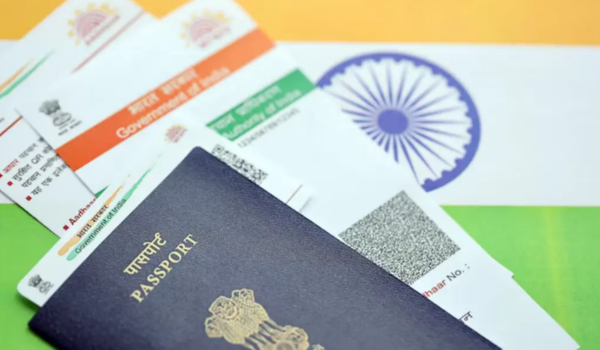
Before starting your trip, check the following:
- Government-issued ID
- Train, bus or flight ticket
- Hotel booking confirmation
- Passport for international travel
- Visa or required travel authorisation for foreign visitors
- Driving licence if driving
- Vehicle registration certificate if using your own vehicle
- Motor insurance documents
- Pollution Under Control (PUC) certificate where applicable
- Travel insurance documents
- Permits for restricted or protected areas where required
- Emergency contact details
- Copies or secure digital backups of important documents
Not every traveller needs every document. Your requirements depend on your destination and type of travel.
- Identity Proof for Domestic Travel
A valid identity document is one of the most important things to carry during domestic travel.
Commonly used identity documents in India include:
- Aadhaar card
- Passport
- Driving licence
- Voter ID
- PAN card
- Other government-issued identity documents accepted by the relevant service provider
For flights, trains, hotels and other services, the accepted ID requirements can differ. Always check the current requirements before travelling.
Keep Your ID Safe
Carry the original document when required, but avoid handing it to unknown people.
You can also keep a secure digital copy for emergency reference. A digital copy should not be treated as a replacement when an original document is specifically required.
- Train Tickets
If you are travelling by Indian Railways, keep your ticket or booking details accessible.
Depending on how you booked, this may include:
- Electronic ticket
- Booking confirmation
- PNR number
- Passenger details
- Valid ID
For reserved travel, make sure the passenger name and other booking details are correct.
Useful Tip
Take a screenshot or save your booking information before leaving for the station. This can be useful if your internet connection is poor.
However, always follow the latest railway rules regarding acceptable ticket and identification requirements.
- Flight Tickets
For domestic flights, keep:
- Flight booking confirmation
- Valid identity document
- Boarding pass
- Any required airline documents
For international flights, you will generally need your passport and relevant visa or travel authorisation.
Before Leaving for the Airport
Check:
- Departure time
- Terminal
- Baggage allowance
- Check-in requirements
- ID requirements
Keep your ID and travel booking easily accessible rather than placing them deep inside your luggage.
- Hotel Booking Confirmation
A hotel booking confirmation is useful even when it is not legally required.
It normally contains:
- Hotel name
- Address
- Booking dates
- Guest name
- Booking number
- Contact information
- Payment details
Keep a digital copy on your phone.
For road trips, it can also be useful to save the hotel’s phone number in case you arrive late or experience a delay.
- Passport for International Travel
If you are an Indian citizen travelling abroad, a valid passport is essential.
Before travelling, check:
- Passport validity
- Blank pages where required
- Visa requirements
- Entry requirements
- Transit requirements
- Airline requirements
Different countries have different rules, so do not assume that having a passport automatically allows entry.
For foreign nationals travelling to India, the passport must meet the applicable entry requirements.
- Visa and Travel Authorisation
International travel may require a visa, electronic travel authorisation or another form of entry permission.
The requirement depends on:
- Nationality
- Destination
- Purpose of travel
- Length of stay
- Type of passport
If you are a foreign visitor travelling to India, check the current Indian immigration and visa requirements before your journey.
Do not rely on outdated travel information because visa rules can change.
- Driving Licence
If you plan to drive during your trip, carry your valid driving licence.
For domestic travel in India, make sure your licence is appropriate for the type of vehicle you are driving.
If you are an international visitor planning to drive in India, check whether an International Driving Permit (IDP) or other documentation is required in your particular situation.
Never Drive Without Proper Documents
Driving without the required licence or documentation can result in penalties and can also create problems if you are involved in an accident.
- Vehicle Documents for Road Trips
If you are taking your own car or two-wheeler on a road trip, keep the relevant vehicle documents available.
These may include:
- Registration Certificate (RC)
- Driving licence
- Motor insurance
- PUC certificate
- Permit documents where applicable
For commercial or certain specialised vehicles, additional documents may be required.
Before starting a long journey, check that your vehicle documents are current.
- Travel Insurance Documents
Travel insurance is particularly useful for international trips and can also be considered for domestic travel.
Depending on the policy, coverage may include certain expenses related to:
- Medical emergencies
- Trip cancellation
- Lost baggage
- Travel delays
- Other covered events
Keep your policy number and insurer’s emergency contact information easily accessible.
Always read the policy terms because coverage, exclusions and claim requirements differ between policies.
- Medical Documents
If you take regular prescription medicines, carrying relevant medical information can be useful.
Depending on your needs, consider keeping:
- Prescription
- Doctor’s note where appropriate
- List of regular medicines
- Medical reports if relevant
- Emergency medical contact details
For international travel, check whether your destination has restrictions on bringing particular medicines.
Do not carry prescription medicines in unlabelled containers when travelling internationally.
- Permits for Restricted Areas
Some areas of India may have special entry requirements or restrictions.
Depending on the destination and traveller, you may need a permit for certain:
- Protected areas
- Border regions
- Restricted areas
- Wildlife or forest zones
- Trekking routes
Requirements can vary by location and may change over time.
If your itinerary includes remote or sensitive areas, check the latest rules with the relevant government or local authority before travelling.
- Documents for Northeast India and Border Areas
Some destinations in Northeast India and border regions can have additional entry or permit requirements depending on the location and traveller.
Before travelling, check:
- Whether a permit is required
- Whether registration is necessary
- Which documents must be submitted
- Whether restrictions apply to foreign visitors
Do not assume that rules are the same across every northeastern state or border area.
- Documents for Trekking and Adventure Trips
If you are planning trekking, camping or adventure activities, the organiser may require certain documents.
These may include:
- Government ID
- Booking confirmation
- Medical certificate where required
- Insurance details
- Permit
- Emergency contact information
Some activities have age, fitness or medical requirements.
Always check with the official organiser before travelling.
- Documents for Student Travel
Students travelling for educational trips may need additional documents such as:
- Student ID
- College or school identification
- Trip permission letter
- Booking confirmation
- Government ID
- Parent or guardian consent where required
Schools and colleges may have their own document requirements, so follow the instructions provided by the institution.
- Documents for Children
When travelling with children, carry documents appropriate to their age and journey.
For domestic travel, this may include:
- Child’s ID where required
- Ticket
- Parent or guardian’s ID
- Medical information if needed
For international travel, children generally require their own travel documents, and additional consent or documentation may sometimes be required depending on the destination and circumstances.
Check the latest requirements before travelling.
- Documents for Senior Citizens
Senior citizens should carry their regular identification and travel documents.
If necessary, also keep:
- Medical information
- Prescription details
- Emergency contacts
- Insurance documents
- Relevant concession or service documents
Keep frequently needed documents in an easily accessible travel bag.
- Emergency Documents
It is useful to keep an emergency information sheet containing:
- Your full name
- Emergency contact
- Blood group if known
- Important medical information if relevant
- Hotel details
- Travel insurance details
- Transport booking information
Do not include unnecessary sensitive information.
A secure digital copy can be useful if the original documents are lost.
- Digital Copies of Travel Documents
Digital backups can make travel easier.
Consider securely storing copies of:
- ID
- Passport
- Visa
- Tickets
- Hotel bookings
- Insurance
- Driving licence
- Vehicle documents
- Permits
You can keep copies in a secure cloud account or another protected location.
Important
A digital copy may help you recover information, but it may not be accepted where an original document is legally required.
- How to Keep Documents Safe
Use these simple precautions:
Keep Important Documents Together
Use a small waterproof document pouch.
Do Not Put Everything in One Place
For long trips, keep backup copies separately from the originals.
Protect Your Phone
If your tickets and documents are stored digitally, keep your phone locked with a strong security method.
Avoid Public Sharing
Do not post passport numbers, ticket details or other sensitive documents publicly on social media.
Check Documents Before Leaving
A quick check before leaving home can prevent major problems later.
Travel Documents Checklist by Trip Type
| Trip Type | Important Documents |
| Domestic Flight | ID, ticket, boarding pass |
| Train Trip | Ticket/PNR, valid ID |
| Hotel Stay | Booking confirmation, ID |
| Road Trip | Licence, RC, insurance, PUC |
| International Trip | Passport, visa/authorisation, tickets |
| Trekking Trip | ID, booking, permits where required |
| Restricted Area | ID and required permit |
| Family Trip | Tickets, IDs and required child documents |
Common Travel Document Mistakes
Avoid these mistakes:
- Travelling with an expired ID
- Not checking visa requirements
- Losing booking confirmations
- Forgetting vehicle documents
- Assuming a digital copy is always accepted
- Not checking permit requirements
- Sharing sensitive documents publicly
- Keeping all important documents in checked luggage
- Not checking the spelling of passenger names on tickets
A few minutes of preparation can prevent major travel problems.
Frequently Asked Questions
What documents are needed for domestic travel in India?
Most domestic travellers should carry a valid accepted identity document and their travel ticket or booking details. Exact requirements depend on the transport provider.
Is Aadhaar enough for travel in India?
Aadhaar is commonly used as identity proof, but accepted documents can vary by airline, railway or other service provider. Check the current requirements before travelling.
Do I need a passport for domestic travel in India?
Indian citizens generally do not need a passport for domestic travel, provided they carry an accepted identity document required by the relevant transport provider.
What documents should I carry for a road trip?
Carry your driving licence and relevant vehicle documents, such as the RC, insurance and PUC certificate. Additional permits may be required for certain vehicles or destinations.
Do tourists need permits in India?
Some destinations have special permit or entry requirements. This depends on the location and the traveller’s circumstances.
Should I carry original documents or copies?
Carry originals when the relevant authority requires them. Secure digital or physical copies are useful as backups but may not replace originals.
Final Thoughts
A good travel documents checklist can make your India trip much easier. For a normal domestic journey, you may only need your ID, ticket and hotel details. A road trip requires vehicle documents, while international travel requires a passport and the appropriate visa or travel authorisation.
If you are travelling to a restricted, protected or remote area, check the latest permit requirements before leaving.
The safest approach is to keep your important documents secure, accessible and backed up. Check expiry dates, passenger details and booking information before starting your journey.
A little preparation can save you from unnecessary stress and allow you to focus on enjoying your trip.