


Two-wheelers are one of the most popular ways to travel in India. Motorcycles and scooters are affordable, convenient and useful for daily commuting. However, accidents, theft, natural disasters and third-party damage can create unexpected financial expenses.
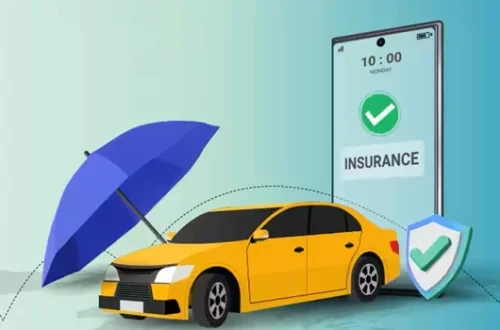
Two-wheeler insurance provides financial protection against specified risks involving your bike or scooter. In India, third-party motor insurance is mandatory for vehicles used on public roads.
This guide explains two-wheeler insurance types, coverage, premium, IDV, add-ons, renewal, claims and important points every bike owner should know.
What Is Two-Wheeler Insurance?
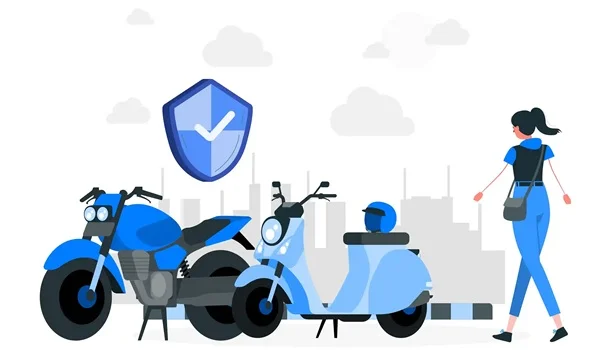
Two-wheeler insurance is an insurance policy designed to protect a motorcycle, scooter or other eligible two-wheeler against covered risks.
Depending on the policy, it can provide:
- Third-party liability protection
- Own-damage protection
- Theft protection
- Accident-related damage
- Fire protection
- Natural disaster protection
- Personal accident cover
- Optional add-on benefits
The actual coverage depends on the policy selected.
Is Two-Wheeler Insurance Mandatory in India?
Yes.
Under Indian motor vehicle laws, third-party motor insurance is mandatory for vehicles used on public roads.
Riding without the required third-party insurance can result in legal and financial consequences.
However, third-party insurance does not generally cover damage to your own bike.
For broader protection, you can consider a comprehensive policy or standalone own-damage cover along with the required third-party cover.
Types of Two-Wheeler Insurance
- Third-Party Two-Wheeler Insurance
Third-party insurance covers your legal liability for covered injury, death or property damage caused to a third party through the insured vehicle, subject to applicable laws and policy conditions.
What It Covers
It can provide protection for eligible third-party liability arising from:
- Injury to another person
- Death of another person
- Damage to third-party property, subject to applicable limits and conditions
What It Does Not Cover
A basic third-party policy generally does not cover:
- Damage to your own bike
- Theft of your bike
- Repair costs after an accident involving only your vehicle
For own-vehicle protection, you need applicable own-damage coverage.
- Comprehensive Two-Wheeler Insurance
Comprehensive insurance generally combines:
Third-party liability + Own-damage protection
Depending on the policy, own-damage cover can protect your bike against:
- Accidents
- Theft
- Fire
- Flood
- Storm
- Cyclone
- Earthquake
- Other covered natural events
- Certain man-made events
The exact coverage depends on the policy wording.
For many bike owners, comprehensive insurance can provide broader financial protection than third-party insurance alone.
- Standalone Own-Damage Insurance
Standalone own-damage insurance provides protection for damage to your own two-wheeler.
It may cover eligible losses caused by:
- Accidents
- Theft
- Fire
- Natural disasters
- Other insured events
If you purchase standalone own-damage insurance, make sure you also have the required third-party insurance.
Third-Party vs Comprehensive Two-Wheeler Insurance
| Feature | Third-Party | Comprehensive |
| Third-party liability | Yes | Yes |
| Own bike damage | Generally no | Yes |
| Theft | No | Generally covered |
| Fire damage | No own-damage cover | Generally covered |
| Natural calamities | No own-damage cover | Generally covered |
| Premium | Lower | Higher |
| Own-damage protection | No | Yes |
What Does Two-Wheeler Insurance Cover?
Coverage depends on the policy, but a comprehensive policy may provide protection against several risks.
Accidental Damage
If your bike is damaged in a covered accident, the insurer may pay eligible repair expenses after applicable deductions.
Theft
If your motorcycle or scooter is stolen, an eligible claim may be paid according to the policy’s IDV and conditions.
Fire
Damage caused by a covered fire event may be insured.
Natural Disasters
Depending on the policy, protection can include damage caused by:
- Flood
- Cyclone
- Storm
- Earthquake
- Landslide
Man-Made Events
Some policies cover specified risks such as riots or vandalism.
What Is Not Covered by Two-Wheeler Insurance?
Insurance does not cover every type of damage.
Common exclusions can include:
- Normal wear and tear
- Mechanical breakdown unrelated to an insured event
- Driving without a valid licence
- Driving under the influence of alcohol or drugs
- Deliberate damage
- Using the vehicle outside permitted conditions
- Certain consequential losses
- Depreciation unless covered by an applicable add-on
The actual exclusions depend on the policy.
What Is IDV in Bike Insurance?
IDV means Insured Declared Value.
It generally represents the insured value of your two-wheeler for certain claims, particularly total loss or theft, subject to the policy conditions.
IDV generally reduces as the vehicle gets older.
For example, if the applicable IDV of your bike is ₹1 lakh and the bike is stolen, the settlement for an eligible theft claim may be based on the applicable IDV rather than the price you originally paid.
Therefore, IDV is an important factor when comparing two-wheeler insurance.
Two-Wheeler Insurance Premium
The premium depends on several factors.
These can include:
- Bike or scooter model
- Vehicle age
- Engine capacity
- Location
- IDV
- Coverage
- Add-ons
- Claim history
- Deductible
- Applicable discounts
Third-party premium rates are regulated, while own-damage premiums can vary between insurers.
Factors That Affect Bike Insurance Premium
Vehicle Model
An expensive motorcycle may have a different premium from an affordable commuter bike.
Engine Capacity
Engine size can affect the applicable third-party premium structure.
Age of Vehicle
Older vehicles generally have a lower IDV.
Location
Risk factors and applicable pricing can vary by location.
Claim History
Your previous claim record can affect the available NCB and premium.
Add-Ons
Additional coverage increases the premium.
Two-Wheeler Insurance Add-Ons
Add-ons provide additional protection beyond the standard policy.
Zero Depreciation Cover
Zero-depreciation cover can reduce depreciation deductions for eligible parts during covered claims, subject to the policy conditions.
It may be particularly useful for newer bikes.
Roadside Assistance
Roadside assistance can help with situations such as:
- Bike breakdown
- Flat tyre
- Battery problem
- Towing
- Emergency assistance
The exact services depend on the insurer.
Engine Protection
Engine protection may cover certain engine-related losses that are not normally covered by a standard policy.
Check the exact exclusions before purchasing.
Consumables Cover
This may cover specified consumable items used during repairs.
Return to Invoice
This add-on may provide a benefit linked to the original invoice value in certain total-loss or theft situations, subject to eligibility and policy conditions.
Is Zero Depreciation Useful for Bikes?
Zero depreciation can be useful if you want to reduce depreciation-related deductions during eligible claims.
It may be worth considering for:
- New motorcycles
- Premium bikes
- Expensive scooters
- Owners who want higher repair protection
However, it increases the premium.
Compare the additional cost with the expected benefit before selecting it.
What Is No Claim Bonus?
No Claim Bonus (NCB) is a discount that can be available when you do not make eligible own-damage claims during the policy period.
The discount can reduce the applicable own-damage premium at renewal, subject to the policy and applicable rules.
NCB is an important benefit for careful riders.
Can NCB Be Transferred?
NCB is generally associated with the policyholder rather than the specific two-wheeler, subject to applicable conditions.
If you sell your old bike and purchase another one, you may be able to transfer the NCB after completing the required process.
Contact your insurer for the applicable documentation.
Two-Wheeler Insurance Renewal
Renewing your insurance before expiry helps maintain continuous coverage.
A typical renewal process involves:
- Check your policy expiry date.
- Review existing coverage.
- Check your IDV.
- Review NCB.
- Compare premiums.
- Select useful add-ons.
- Verify vehicle details.
- Pay the premium.
- Download the renewed policy.
Avoid waiting until the final day.
What Happens If Bike Insurance Expires?
If your insurance expires, you may not have valid insurance protection.
Riding an uninsured vehicle on public roads can also result in legal consequences.
If the policy has expired, contact an insurer and follow the applicable process before riding the vehicle again.
Depending on the circumstances, inspection may be required.
Can Bike Insurance Be Renewed Online?
Yes.
Online renewal generally involves:
- Entering registration details
- Checking vehicle information
- Selecting coverage
- Choosing add-ons
- Confirming IDV
- Applying eligible NCB
- Paying the premium
- Downloading the policy
Before paying, verify all details carefully.
Two-Wheeler Insurance Claim Process
If your bike is involved in an accident or suffers a covered loss, follow the insurer’s claim procedure.
Step 1: Ensure Safety
Move away from traffic if it is safe to do so and arrange medical assistance when required.
Step 2: Inform the Insurer
Notify the insurer as soon as reasonably possible according to the policy requirements.
Step 3: Contact Police When Required
A police report may be required for certain cases, particularly theft or serious third-party accidents.
Step 4: Submit Claim Information
Provide:
- Policy details
- Vehicle information
- Accident details
- Location
- Photographs
- Other requested information
Step 5: Vehicle Inspection
The insurer may arrange an inspection or survey of the damaged bike.
Step 6: Repair
Take the vehicle to an eligible garage according to the insurer’s instructions.
Step 7: Settlement
The insurer pays the eligible claim amount after applying applicable:
- Deductibles
- Depreciation
- Policy limits
- Exclusions
- Other conditions
Cashless Bike Insurance Claim
If you use an insurer’s network garage, you may be able to receive cashless repair services.
The insurer pays the eligible amount directly to the garage.
You may still need to pay:
- Deductible
- Depreciation
- Non-covered parts
- Consumables not covered
- Other applicable expenses
Reimbursement Bike Insurance Claim
Under reimbursement, you may pay the repair bill yourself and submit the required documents to the insurer.
The insurer reviews the claim and reimburses the eligible amount according to the policy.
The exact process depends on the insurer.
Documents Required for Bike Insurance Claim
Commonly requested documents can include:
- Insurance policy
- Registration Certificate
- Driving licence
- Claim form
- Repair estimate
- Repair invoice
- Payment receipt
- Accident photographs
- FIR or police report, where applicable
- Other supporting documents
Keep copies of all documents.
What to Do If Your Bike Is Stolen?
If your motorcycle or scooter is stolen:
- Report the theft to the police immediately.
- File an FIR.
- Inform your insurance company.
- Submit the required documents.
- Cooperate with the investigation.
- Follow the insurer’s claim procedure.
For an eligible theft claim, settlement can depend on the applicable IDV and policy conditions.
Do not delay reporting the theft.
Personal Accident Cover for Owner-Driver
Motor insurance policies can include or require applicable personal accident protection for the owner-driver, subject to the applicable rules and policy conditions.
This protection is different from insurance covering damage to the vehicle.
Always check:
- Sum insured
- Eligibility
- Covered events
- Exclusions
- Whether you already have applicable personal accident cover
Bike Insurance for New Two-Wheelers
For a new bike or scooter, owners may consider comprehensive coverage along with suitable add-ons.
Important factors include:
- IDV
- Zero depreciation
- Engine protection
- Roadside assistance
- Return to invoice
- Deductible
You do not necessarily need every add-on.
Choose coverage based on your bike and riding conditions.
Bike Insurance for Older Two-Wheelers
For an older bike, compare:
- Current market value
- IDV
- Premium
- Repair costs
- Add-on eligibility
- Vehicle age
Some add-ons may not be available for older vehicles.
How to Reduce Two-Wheeler Insurance Premium
You can potentially reduce your insurance cost by:
- Maintaining a claim-free record
- Comparing insurers
- Using eligible NCB
- Selecting appropriate coverage
- Avoiding unnecessary add-ons
- Choosing a suitable voluntary deductible, if affordable
However, do not reduce essential protection only to save money.
Common Two-Wheeler Insurance Mistakes
Buying Only the Cheapest Policy
A low premium may provide limited protection.
Ignoring Third-Party Insurance
Third-party motor insurance is mandatory for vehicles used on public roads.
Not Checking IDV
IDV can affect the settlement of certain theft and total-loss claims.
Forgetting Renewal
An expired policy can leave you without valid insurance.
Not Reporting an Accident
Follow the insurer’s claim notification requirements.
Hiding Information
Always provide accurate vehicle and accident information.
Buying Unnecessary Add-Ons
Additional coverage increases the premium.
Choose add-ons based on your actual requirements.
Frequently Asked Questions
Is two-wheeler insurance mandatory in India?
Yes. Third-party motor insurance is mandatory for vehicles used on public roads.
Which is better: third-party or comprehensive bike insurance?
Third-party insurance provides mandatory liability protection, while comprehensive insurance can also cover eligible damage to your own bike.
What is IDV in bike insurance?
IDV means Insured Declared Value. It represents the insured value of the vehicle for certain claims, subject to policy conditions.
Can I renew bike insurance after expiry?
Yes, but you should not ride the uninsured vehicle on public roads. Depending on the circumstances, the insurer may require inspection before issuing the policy.
Can I change my insurance company during renewal?
Yes. You can compare other insurers and choose a different provider when renewing, subject to applicable procedures.
What is NCB in two-wheeler insurance?
NCB stands for No Claim Bonus. It is an eligible discount for claim-free policy periods.
Does comprehensive insurance cover theft?
Generally, comprehensive own-damage coverage includes theft protection, subject to the policy terms and conditions.
Does bike insurance cover normal repairs?
No. Normal wear and tear and routine maintenance are generally not covered.
Can I claim insurance for a small scratch?
You may be able to claim if the damage is covered, but consider the deductible, depreciation and possible impact on your NCB before making a small claim.
Final Verdict
Two-wheeler insurance provides important financial protection for motorcycle and scooter owners.
The basic difference is:
Third-party insurance = Mandatory liability protection
Comprehensive insurance = Third-party liability + eligible own-damage protection
When choosing a policy, compare:
Coverage → IDV → Premium → NCB → Deductible → Add-ons → Network garages → Exclusions → Claim process
For many bike owners, comprehensive insurance can provide broader protection than third-party insurance alone. However, the right policy depends on your vehicle’s value, age, usage, riding environment and budget.
Keep your insurance active, carry the required documents, follow traffic rules and report accidents or theft promptly.
Motor insurance policies are subject to policy terms, conditions, exclusions, deductibles and applicable regulations. This article is for general educational purposes and should not be treated as personalised insurance advice.