







A CIBIL Score is one of the most important numbers used by lenders when evaluating a person’s credit profile in India. It can affect your chances of getting a personal loan, home loan, car loan or credit card.
A good credit score can make it easier to qualify for credit and may help you get better loan terms. A low score, on the other hand, can make borrowing more difficult.
The good news is that your credit score is not permanent. By paying EMIs and credit-card bills on time, keeping credit usage under control and maintaining a healthy credit history, you can gradually improve it.
This guide explains what a CIBIL Score is, how to check it online, what affects it, why it falls and practical ways to improve it.
What Is a CIBIL Score?
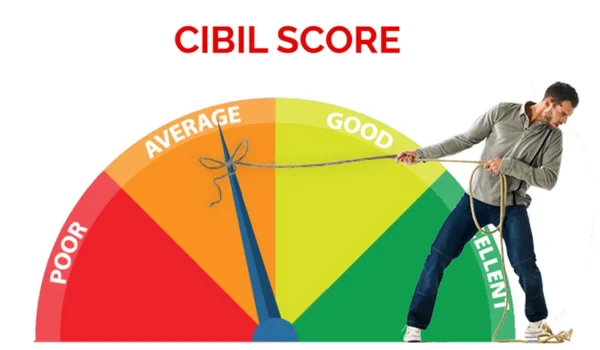
A CIBIL Score is a three-digit numerical representation of your credit history.
It generally ranges from:
300 to 900
A higher score generally indicates a stronger credit profile.
The score is calculated using information in your credit report, such as your borrowing and repayment history.
CIBIL is the brand associated with TransUnion CIBIL, one of India’s credit information companies.
What Is a Good CIBIL Score?
There is no single score that guarantees loan approval because every lender has its own credit policies.
However, a score closer to 900 is generally considered stronger than a low score.
A commonly used broad interpretation is:
| CIBIL Score | General Interpretation |
| 300–549 | Low |
| 550–649 | Fair |
| 650–749 | Good |
| 750–900 | Strong |
These ranges are only for general understanding. Lenders may use different internal criteria.
A 750+ CIBIL Score is often viewed positively, but having a score above 750 does not guarantee approval.
Why Is CIBIL Score Important?
Lenders want to know whether a borrower has handled credit responsibly in the past.
Your credit profile can help lenders assess:
- Repayment behaviour
- Existing debts
- Credit-card usage
- Number of credit accounts
- Recent credit applications
- Length of credit history
A stronger credit profile can improve your chances of getting approved for credit.
However, lenders also consider factors such as income, employment, existing obligations and their own eligibility criteria.
How to Check CIBIL Score Online
You can check your credit information through the official TransUnion CIBIL website.
You may need to provide details such as:
- Full name
- Date of birth
- PAN or other identification details
- Contact information
- Address information
You should always use the official CIBIL website or a trusted financial service when checking your credit information.
A credit report contains more information than just the score, so reviewing the full report is important.
How Often Should You Check Your CIBIL Score?
Checking your own credit report does not have the same effect as applying for new credit.
It is a good idea to review your credit report periodically, especially before applying for a major loan.
You should check for:
- Incorrect personal details
- Unknown loans
- Wrong repayment records
- Duplicate accounts
- Incorrect outstanding balances
- Accounts that should have been closed
- Unauthorised credit enquiries
Finding errors early can help you raise a dispute.
What Affects Your CIBIL Score?
Several factors can influence your credit score.
- Payment History
Your repayment history is extremely important.
Late EMI payments, missed payments and defaults can negatively affect your credit profile.
Try to pay:
Credit-card bills + EMIs = On time
Setting up automatic payments can help avoid accidental missed payments.
- Credit Utilisation
Credit utilisation refers to how much of your available revolving credit you are using.
For example, suppose your total credit-card limit is:
₹1,00,000
If your outstanding balance is:
₹20,000
your utilisation is approximately:
20%
Using a large portion of your available limit regularly can signal higher dependence on credit.
Keeping utilisation under control is generally considered healthier.
- Length of Credit History
A longer, well-managed credit history can be beneficial.
For example, someone who has responsibly maintained credit accounts for many years may have a stronger credit history than someone who has only recently started using credit.
This does not mean you should keep unnecessary accounts open solely to increase your credit history.
- Credit Mix
Your credit profile can contain different types of credit, such as:
- Credit cards
- Personal loans
- Home loans
- Auto loans
- Education loans
A healthy and responsibly managed mix can be useful, although you should never borrow money simply to create a credit mix.
- New Credit Applications
Applying for several loans or credit cards within a short period can result in multiple hard enquiries.
A large number of recent credit applications may negatively affect your credit profile.
Instead of applying everywhere, compare eligibility and product terms before submitting applications.
Why Does CIBIL Score Go Down?
Your score can decrease for several reasons.
Common reasons include:
- Missed EMI
- Late credit-card payment
- Loan default
- High credit utilisation
- Multiple recent credit applications
- Errors in the credit report
- Closing an old credit account
- Significant changes in your credit profile
One event does not always have the same impact on every person’s score.
The effect depends on the overall credit history.
How to Improve CIBIL Score
Improving your score usually takes time.
There is no legitimate shortcut that can instantly change a poor credit history.
- Pay EMIs on Time
This is one of the most important habits.
Keep track of:
- Personal-loan EMI
- Home-loan EMI
- Car-loan EMI
- Education-loan EMI
- Credit-card payment
Never intentionally delay payments.
- Keep Credit Utilisation Low
Try not to regularly use most of your available credit limit.
For example, if you have a ₹2 lakh total credit-card limit, consistently maintaining a very high outstanding balance may not be ideal.
However, do not increase your credit limit simply to manipulate your score.
- Avoid Unnecessary Loan Applications
Every time you apply for credit, the lender may access your credit report.
Multiple applications in a short period can create multiple enquiries.
Apply only when you genuinely need credit.
- Keep Old Credit Accounts Responsibly Managed
If an old credit card has no major cost and is helping maintain a long credit history, closing it may not always be necessary.
However, never keep an account open if its fees or terms are unsuitable just for the sake of credit history.
- Check Your Credit Report for Errors
Sometimes a low score may be connected to incorrect information.
For example:
- A loan may be incorrectly shown as active.
- A payment may be incorrectly marked late.
- A closed account may still appear open.
- A loan may belong to someone else.
If you find an error, raise a dispute with the relevant credit bureau and lender.
- Pay More Than the Minimum When Possible
For credit cards, paying only the minimum amount can allow the outstanding balance to remain for a long time and may lead to substantial interest charges.
Try to pay the full billed amount by the due date when financially possible.
- Maintain a Stable Credit Profile
Repeatedly opening and closing credit accounts can make your credit profile more complicated.
Use credit only when required and manage existing accounts responsibly.
How Long Does It Take to Improve CIBIL Score?
There is no fixed timeline.
The improvement depends on:
- Previous payment history
- Number of defaults
- Current credit utilisation
- Outstanding debt
- Age of credit accounts
- New payment behaviour
- Whether incorrect information is corrected
If you start making all payments on time today, the positive effect may take time to appear.
Credit information is reported periodically, so changes may not appear immediately.
Can I Improve CIBIL Score in 30 Days?
You may be able to correct certain errors or reduce credit utilisation within a short period, but there is no guaranteed method to increase your CIBIL Score by a specific number within 30 days.
Be careful with companies or individuals promising:
“Guaranteed 100-point CIBIL increase in 30 days.”
No legitimate service can guarantee a specific score increase.
Does Checking CIBIL Score Reduce the Score?
Checking your own credit report is generally considered a soft enquiry and does not negatively affect your credit score in the same way as a lender’s hard enquiry.
It is therefore useful to monitor your own credit profile.
Does Closing a Credit Card Reduce CIBIL Score?
Closing a credit card can affect your credit profile in some situations.
For example, closing an old card can:
- Reduce your total available credit
- Increase your overall utilisation ratio
- Change the age and composition of your credit accounts
However, closing a card does not automatically mean your score will fall significantly.
Consider the card’s fees, benefits, age and your overall credit profile before closing it.
Does CIBIL Score Affect Personal Loan Approval?
Yes, it can.
Lenders may consider your CIBIL Score and credit report when evaluating a personal-loan application.
But approval also depends on factors such as:
- Income
- Employment
- Existing EMIs
- Debt-to-income position
- Loan amount
- Lender’s eligibility rules
Therefore, a good CIBIL Score does not guarantee approval.
CIBIL Score for Home Loan
A strong credit profile can be particularly useful when applying for a home loan because the loan amount is often large and the repayment period can be long.
Before applying, check:
- Your CIBIL Score
- Existing loans
- Credit-card balances
- Monthly obligations
- Credit report errors
If your score is low, improving your repayment history before applying may be helpful.
CIBIL Score for Credit Card
Credit-card issuers can consider your credit history when evaluating applications.
A good credit profile can improve your chances of approval, but card issuers also consider income and other eligibility factors.
Avoid applying for several credit cards simultaneously simply to increase your total available credit.
CIBIL Score vs Credit Report
These two terms are related but different.
CIBIL Score
A three-digit number summarising your credit history.
CIBIL Credit Report
A detailed record containing information such as:
- Credit accounts
- Loan history
- Payment history
- Outstanding amounts
- Credit enquiries
- Personal information
The score gives you a quick picture.
The report helps you understand why your score looks the way it does.
CIBIL Score vs Other Credit Scores in India
CIBIL is not the only credit information company in India.
India has multiple credit information companies, and lenders may use different credit reports and scoring systems.
Therefore, your score from one bureau may not be exactly the same as a score from another bureau.
This does not necessarily mean that one report is wrong.
Common CIBIL Mistakes to Avoid
Ignoring Payment Due Dates
Even one missed payment can negatively affect your credit history.
Using Too Much Credit
Regularly maintaining very high credit-card balances can hurt your credit profile.
Applying for Too Many Loans
Multiple applications can generate multiple credit enquiries.
Paying Only the Minimum Credit-Card Amount
Minimum payments can keep the balance outstanding and increase interest costs.
Ignoring Credit Report Errors
Incorrect information can remain on your report if you never check it.
Trusting “Instant Score Improvement” Services
No legitimate service can guarantee a specific score increase.
Simple CIBIL Improvement Plan
Follow these basic steps:
Step 1: Check your credit report.
Step 2: Identify late payments, outstanding debts and errors.
Step 3: Pay all current EMIs and bills on time.
Step 4: Reduce high credit-card utilisation.
Step 5: Avoid unnecessary new credit applications.
Step 6: Dispute incorrect information.
Step 7: Continue responsible credit behaviour.
Step 8: Review your credit report periodically.
The key is consistency.
Frequently Asked Questions
What is a good CIBIL Score?
A score closer to 900 generally indicates a stronger credit profile. Many lenders view 750+ positively, but their eligibility criteria can differ.
How can I improve my CIBIL Score quickly?
There is no guaranteed quick fix. Paying bills on time, reducing high credit utilisation, avoiding unnecessary applications and correcting errors can help over time.
Does paying a loan early increase CIBIL Score?
Early repayment can reduce your outstanding debt, but it does not guarantee an immediate increase in your score.
Does salary affect CIBIL Score?
Your salary itself is not the same thing as your CIBIL Score. However, income can be considered by lenders when deciding whether to approve a loan.
Can I get a loan with a low CIBIL Score?
It may be possible, but approval depends on the lender and your overall financial profile. A lower score can make borrowing more difficult or expensive.
How often should I check my credit report?
Checking periodically can help you identify errors and unfamiliar accounts. It is especially useful before applying for a major loan.
Can CIBIL Score become zero?
CIBIL Scores generally range from 300 to 900 when a score is available. A person with little or no credit history may have a different status rather than a conventional low score.
Final Words
Your CIBIL Score is an important part of your credit profile, but it is not the only factor lenders consider.
The best way to maintain or improve your score is simple:
Pay on time → Keep credit usage under control → Avoid unnecessary applications → Check your credit report → Correct errors.
Do not expect overnight results. Building a strong credit history takes time and consistent financial behaviour.
If you are planning to apply for a home loan, personal loan, car loan or credit card, checking your credit report beforehand can help you identify potential problems before submitting an application.
Credit scores and lending decisions can vary between credit bureaus and lenders. Always check your latest credit report and the lender’s current eligibility criteria before applying.