




A healthy diet is important for maintaining energy, supporting immunity, managing body weight and reducing the risk of several lifestyle-related health problems. For Indians, a healthy diet does not mean giving up traditional foods. Instead, it means creating balanced meals with the right combination of vegetables, fruits, whole grains, pulses, protein, healthy fats and dairy or alternatives.
Indian diets are very diverse. Food habits differ between North India, South India, East India and West India, but the basic principles of healthy eating remain similar.
This guide provides a simple healthy diet chart for Indians, along with meal ideas, portion tips and foods to include or limit.
What Is a Healthy Diet?
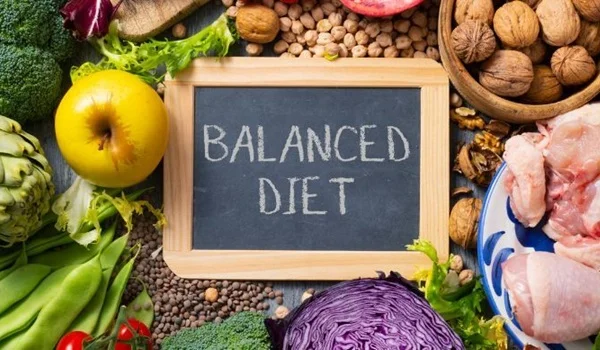
A healthy diet provides the body with the nutrients and energy it needs without relying too heavily on foods high in added sugar, salt and unhealthy fats.
A balanced Indian diet can include:
- Whole grains
- Pulses and beans
- Vegetables
- Fruits
- Milk and dairy products
- Nuts and seeds
- Eggs, fish, chicken or other protein sources
- Healthy cooking oils
- Adequate water
The goal is not to follow a strict diet but to develop eating habits that can be followed for a long time.
Healthy Diet Chart for Indians
The following is a general example of a balanced daily meal plan for a healthy adult.
| Time | Meal | Healthy Options |
| Early Morning | Drink | Water, plain warm water |
| Breakfast | Main Meal | Vegetable poha, oats, idli-sambar, vegetable upma, besan chilla |
| Mid-Morning | Snack | Fruit, buttermilk, coconut water |
| Lunch | Main Meal | Roti/brown rice, dal, vegetables, curd, salad |
| Evening | Snack | Roasted chana, nuts, sprouts, fruit |
| Dinner | Main Meal | Roti, vegetables, dal, paneer, egg, fish or chicken |
| Before Bed | Optional | Milk if suitable |
Portion sizes should be adjusted according to age, activity level, body size and individual health needs.
- Early Morning
Start the day with adequate hydration.
Good options:
- Plain water
- Warm water
- Unsweetened lemon water
- Unsweetened herbal tea
There is no need to drink special detox drinks to “clean” the body. The liver and kidneys naturally perform these functions.
If you have diabetes, kidney disease or another health condition, follow your healthcare professional’s advice about fluids.
- Healthy Breakfast
Breakfast can provide energy and important nutrients after the overnight fasting period.
Good Indian breakfast options include:
- Vegetable poha
- Vegetable upma
- Idli with sambar
- Dosa with sambar
- Besan chilla
- Moong dal chilla
- Vegetable oats
- Stuffed vegetable roti with curd
- Eggs with whole-grain toast
- Vegetable paratha with curd
Try to include a protein source in breakfast where possible.
For example, poha can be combined with peanuts or curd, while idli can be eaten with sambar.
Avoid making breakfast mainly from sugary foods such as sweetened cereals, pastries or heavily sweetened tea.
- Mid-Morning Snack
If you feel hungry between breakfast and lunch, choose a simple nutritious snack.
Good choices include:
- Apple
- Guava
- Orange
- Papaya
- Banana
- Seasonal fruit
- Buttermilk
- Unsweetened coconut water
- A small portion of nuts
Whole fruits are generally a better choice than fruit juice because they provide fibre.
- Healthy Indian Lunch
Lunch should ideally contain a combination of carbohydrates, protein, vegetables and healthy fats.
A simple plate can include:
- 1–2 rotis or a suitable portion of rice
- Dal or another protein source
- One or two vegetable dishes
- Salad
- Curd or buttermilk
Non-vegetarians can include:
- Egg
- Fish
- Chicken
Vegetarians can choose:
- Dal
- Rajma
- Chole
- Soy
- Paneer
- Tofu
- Sprouts
The exact portion should depend on your individual energy needs.
Example Indian Lunch
A balanced lunch could be:
2 medium rotis + dal + mixed vegetables + salad + curd
Another option could be:
Rice + rajma + vegetable sabzi + salad
For non-vegetarians:
Roti + grilled or lightly cooked chicken/fish + vegetables + curd
- Evening Snack
Evening is a common time for eating fried snacks, biscuits and sugary tea.
Instead, consider:
- Roasted chana
- Sprouts
- Makhana
- A small handful of nuts
- Fruit
- Boiled eggs
- Unsweetened tea
- Buttermilk
You do not need to completely avoid snacks, but choosing nutrient-rich options more often can improve the overall quality of your diet.
- Healthy Dinner
Dinner can be similar to lunch but does not necessarily need to be a very large meal.
Examples include:
- Roti + vegetable sabzi + dal
- Roti + paneer + vegetables
- Vegetable khichdi + curd
- Brown rice + dal + vegetables
- Grilled fish + vegetables
- Chicken + roti + salad
- Moong dal khichdi + vegetables
Try to include vegetables and a protein source.
If you are not very hungry, you can have a smaller meal rather than forcing yourself to eat a large dinner.
- Before-Bed Food
A bedtime snack is not necessary for everyone.
If you are hungry, a small glass of milk may be suitable for some people.
Other people may not need any food before sleeping.
Avoid making late-night eating a regular habit of consuming sweets, fried foods or large portions.
Best Foods for a Healthy Indian Diet
Whole Grains
Choose whole or minimally processed grains more often.
Examples include:
- Whole wheat
- Brown rice
- Oats
- Barley
- Ragi
- Jowar
- Bajra
- Whole-grain products
You do not need to completely eliminate white rice or wheat products. Portion size and the overall meal pattern are important.
Pulses and Legumes
Pulses are an important part of many Indian diets.
Good choices include:
- Moong dal
- Masoor dal
- Toor dal
- Chana dal
- Rajma
- Chickpeas
- Black-eyed peas
- Other beans
They provide protein, fibre and several important nutrients.
Vegetables
Try to include different types and colours of vegetables.
Examples include:
- Spinach
- Carrot
- Tomato
- Cauliflower
- Cabbage
- Beans
- Bottle gourd
- Pumpkin
- Brinjal
- Okra
- Peas
- Capsicum
Fresh, frozen or appropriately prepared vegetables can all be part of a healthy diet.
Fruits
Include a variety of seasonal fruits.
Popular Indian options include:
- Guava
- Papaya
- Apple
- Orange
- Banana
- Watermelon
- Pomegranate
- Mango
- Pear
Whole fruit is generally preferable to fruit juice.
Protein Sources
Protein helps support muscles and other body functions.
Vegetarian options include:
- Dal
- Beans
- Paneer
- Tofu
- Soy
- Curd
- Milk
- Nuts and seeds
Non-vegetarian options include:
- Eggs
- Fish
- Chicken
- Lean meats
Healthy Indian Cooking Oils
Cooking oil should be used in moderation because oils are energy-dense.
Common options include:
- Mustard oil
- Groundnut oil
- Sesame oil
- Rice bran oil
- Sunflower oil
- Soybean oil
- Olive oil
No single oil is necessary for everyone. Using reasonable amounts and avoiding excessive deep-frying are more important.
Foods to Limit
A healthy diet does not require completely banning every favourite food.
However, try to limit frequent consumption of:
- Sugary drinks
- Sweets
- Cakes
- Biscuits
- Deep-fried snacks
- Fast food
- Processed meats
- Highly salted packaged foods
- Excessive refined carbohydrates
- Foods containing large amounts of added sugar
Traditional foods such as samosa, jalebi, pakora and sweets can be enjoyed occasionally and in sensible portions.
Healthy Diet for Weight Management
If your goal is to maintain or reduce body weight, focus on food quality and portion sizes.
Helpful habits include:
- Eat more vegetables.
- Include protein in major meals.
- Choose whole fruits instead of juice.
- Reduce sugary drinks.
- Limit frequent fried foods.
- Avoid very large portions.
- Drink enough water.
- Stay physically active.
Crash diets and extreme food restrictions are usually difficult to maintain.
Healthy Diet for Vegetarians
A vegetarian diet can be healthy when properly planned.
Make sure meals regularly contain protein sources such as:
- Dal
- Beans
- Chickpeas
- Soy
- Tofu
- Paneer
- Curd
- Milk
- Nuts and seeds
People following a vegan diet need to pay particular attention to nutrients such as vitamin B12, which is naturally found mainly in animal-derived foods.
Healthy Diet for Non-Vegetarians
Non-vegetarians can include fish, eggs and lean poultry as protein sources.
Prefer cooking methods such as:
- Grilling
- Baking
- Steaming
- Boiling
- Light sautéing
Try to limit frequent deep-fried meat and highly processed meat products.
How Much Water Should You Drink?
Water requirements vary depending on age, body size, activity level, climate and health conditions.
In India’s hot weather, fluid needs may increase, particularly during physical activity.
Water should generally be the main beverage.
You can also get some fluid from foods such as fruits, vegetables, soups and other beverages.
People with certain kidney, heart or other medical conditions may have specific fluid restrictions and should follow medical advice.
Simple Healthy Eating Rules for Indians
You do not need a complicated diet plan to eat better.
Follow these simple principles:
- Fill a significant part of your plate with vegetables.
- Include a protein source in major meals.
- Choose whole grains more often.
- Eat whole fruits regularly.
- Reduce added sugar.
- Limit excess salt.
- Avoid frequent deep-fried foods.
- Drink water instead of sugary beverages.
- Eat slowly and pay attention to portion sizes.
- Maintain regular physical activity.
Frequently Asked Questions
What is the best Indian diet for daily health?
A balanced diet containing vegetables, fruits, whole grains, pulses, protein sources, dairy or alternatives, nuts and seeds can support overall health.
Can I eat rice on a healthy diet?
Yes. Rice can be part of a healthy diet. Portion size and the foods eaten with rice are important. Combining rice with dal, vegetables and protein can make the meal more balanced.
Is roti healthier than rice?
Neither is automatically healthier for everyone. The nutritional value depends on the type, preparation, portion size and overall meal.
Can Indians eat potatoes on a healthy diet?
Yes. Potatoes can be included in a balanced diet. Preparation matters, so boiled, baked or lightly cooked potatoes are generally preferable to frequently eating deep-fried potato dishes.
Is Indian food healthy?
Many traditional Indian foods are nutritious because they include vegetables, pulses, grains, spices and fermented foods. However, some dishes can be high in oil, salt, sugar or calories, so preparation and portion size matter.
What should I eat every day?
Try to include vegetables, fruits, pulses or other protein sources, whole grains, and suitable dairy or alternatives every day. Nuts and seeds can also be included in moderate amounts.
Final Thoughts
A healthy Indian diet does not have to be expensive, complicated or based on imported foods. Traditional foods such as dal, roti, rice, vegetables, fruits, curd, beans, millets, eggs and fish can all be part of a nutritious eating pattern.
The most important habits are to eat a variety of foods, control portions, include enough protein and vegetables, choose whole foods more often and limit excessive sugar, salt and fried foods.
There is no single diet chart that is perfect for everyone. Age, activity level, body weight, pregnancy, allergies, medical conditions and personal dietary preferences can all change nutritional requirements.
If you have diabetes, kidney disease, heart disease or another medical condition, speak with a qualified doctor or registered dietitian before making major dietary changes.
This article is for general health information only and is not a substitute for personalised medical or nutritional advice.