







Health insurance in India helps protect you from the financial burden of medical and hospital expenses. With healthcare costs increasing, even a single hospitalisation can create a large unexpected bill.
A health insurance policy can help cover eligible expenses according to the policy’s terms, conditions, limits and exclusions. However, not every medical expense is automatically covered.
For beginners, choosing health insurance can be confusing because policies come with different sum insured amounts, waiting periods, room-rent rules, co-payments, exclusions and claim procedures.
This guide explains how health insurance works in India, types of policies, coverage, waiting periods, cashless claims, tax benefits, exclusions and how to choose a suitable policy.
What Is Health Insurance?
Health insurance is a contract between you and an insurance company.
You pay a premium, and the insurer provides coverage for eligible medical expenses according to the policy terms.
Depending on the policy, coverage may include expenses related to:
- Hospitalisation
- Pre-hospitalisation
- Post-hospitalisation
- Day-care procedures
- Certain diagnostic expenses
- Ambulance services
- Specific treatments and other covered expenses
The exact coverage depends on the policy.
How Does Health Insurance Work?
Suppose you purchase a health insurance policy with a ₹10 lakh sum insured.
If you are hospitalised and incur an eligible medical bill of ₹3 lakh, the insurer may pay the covered amount according to the policy terms.
However, you may still have to pay certain expenses if they are:
- Excluded
- Above policy limits
- Subject to co-payment
- Related to non-covered items
- Outside the policy conditions
Therefore, never assume that the entire hospital bill will automatically be paid.
What Is Sum Insured?
The sum insured is the maximum amount the insurer will pay for covered claims during the policy period, subject to the policy’s terms and conditions.
For example:
If your policy has a ₹5 lakh sum insured, eligible claims are generally covered up to the applicable limit.
Choosing an appropriate sum insured is important because medical expenses can vary significantly depending on the city, hospital and treatment.
Types of Health Insurance in India
- Individual Health Insurance
An individual policy provides coverage to one insured person.
It can be useful when you want a separate coverage amount for yourself.
For example:
₹10 lakh individual policy → ₹10 lakh coverage for the insured person
The actual claim settlement remains subject to policy conditions.
- Family Floater Health Insurance
A family floater provides a shared sum insured for multiple family members.
For example, a ₹10 lakh family floater could cover:
- Husband
- Wife
- Children
The insured members share the available sum insured according to the policy terms.
If one member uses a large portion of the coverage, less may remain for other members during the same policy period.
- Senior Citizen Health Insurance
These policies are designed for older individuals.
They may have different:
- Premiums
- Eligibility conditions
- Waiting periods
- Co-payment requirements
- Coverage limits
Always read the policy wording carefully before purchasing.
- Group Health Insurance
Group health insurance is commonly provided by employers to employees.
The employer generally purchases the policy for eligible employees and sometimes their dependants.
One important limitation is that employer-provided coverage may change if you leave the organisation.
Therefore, relying only on employer health insurance may not always be sufficient.
- Critical Illness Insurance
A critical illness policy generally provides a specified benefit when the insured is diagnosed with a covered critical illness and meets the policy conditions.
It is different from regular health insurance.
The policy may pay a predetermined lump sum rather than simply reimbursing hospital bills.
- Top-Up and Super Top-Up Health Insurance
These policies can provide additional protection above a specified deductible.
They can be useful when you already have a base health insurance policy and want additional coverage.
The exact working of a top-up and super top-up policy differs, so understand the deductible and claim conditions before purchasing.
What Does Health Insurance Usually Cover?
Coverage varies by policy, but a health insurance policy may cover eligible expenses such as:
Hospitalisation Expenses
Expenses incurred during covered hospitalisation may include:
- Room charges
- Doctor fees
- Nursing expenses
- Medicines
- Surgery expenses
- ICU charges
subject to the policy terms and limits.
Pre-Hospitalisation Expenses
Some policies cover eligible medical expenses incurred before hospitalisation for a specified period.
Post-Hospitalisation Expenses
Some policies cover eligible expenses after discharge for a specified period.
Day-Care Procedures
Some treatments do not require 24-hour hospitalisation because of advances in medical technology.
Many health insurance policies cover specified day-care procedures.
What Is Usually Not Covered?
Health insurance policies can have exclusions.
Common exclusions may include:
- Cosmetic procedures unless medically necessary under policy conditions
- Treatment arising from certain excluded circumstances
- Non-medical expenses
- Certain pre-existing diseases during their waiting period
- Treatments specifically excluded by the policy
The exact exclusions vary between insurers and plans.
Always read the policy’s exclusions section before buying.
What Is a Waiting Period?
A waiting period is the time you may have to wait before certain conditions or treatments become covered.
There can be different types of waiting periods.
Initial Waiting Period
Some policies have an initial waiting period for illnesses.
Accidental hospitalisation may be treated differently according to policy terms.
Pre-Existing Disease Waiting Period
If you already have a medical condition when purchasing the policy, the insurer may apply a waiting period before covering related treatment.
The exact duration depends on the policy.
Specific Disease Waiting Period
Some policies have waiting periods for specified diseases or procedures.
Always check the policy document for the exact conditions.
What Is a Pre-Existing Disease?
A pre-existing disease (PED) generally refers to a medical condition that existed before the policy was purchased, as defined by the policy and applicable regulations.
It is important to disclose your medical history accurately when applying.
Do not hide a previous illness to get a lower premium.
Incorrect or incomplete disclosure can create problems during claim processing.
What Is Cashless Health Insurance?
A cashless claim allows an insured person to receive treatment at a network hospital without paying the entire eligible hospital bill upfront, subject to insurer approval and policy conditions.
The insurer or its authorised claims administrator settles the eligible amount with the hospital.
You may still need to pay:
- Deductibles
- Co-payments
- Non-covered expenses
- Amounts above policy limits
Cashless does not mean “everything is free.”
What Is a Reimbursement Claim?
In a reimbursement claim, you pay the hospital bill first and later submit the required documents to the insurer for reimbursement of eligible expenses.
Documents may include:
- Hospital bills
- Discharge summary
- Prescriptions
- Investigation reports
- Payment receipts
- Claim forms
The exact documents depend on the claim.
Cashless vs Reimbursement
| Feature | Cashless | Reimbursement |
| Initial payment | Eligible amount generally settled directly with network hospital | You generally pay first |
| Hospital | Usually network hospital | Can be subject to policy conditions |
| Documentation | Required | Required |
| Approval | May be required | Claim assessed after submission |
| Non-covered expenses | Paid by insured | Paid by insured |
What Is Co-Payment?
A co-payment means you agree to pay a specified percentage or amount of eligible medical expenses, with the insurer paying the remaining covered portion according to the policy.
For example, if a policy has a 20% co-payment and an eligible claim is ₹1 lakh, the insured may have to bear ₹20,000 while the insurer pays ₹80,000, subject to policy terms.
A policy with co-payment may have a lower premium, but it can increase your out-of-pocket expense during a claim.
What Is a Deductible?
A deductible is an amount you must pay before the insurer’s coverage becomes applicable, depending on the policy structure.
Deductibles are particularly important in top-up and super top-up policies.
Always understand whether the deductible applies per claim or according to the aggregate conditions of the policy.
What Is Room Rent Limit?
Some health insurance policies may impose a limit on room rent.
For example, a policy could specify a maximum room-rent amount per day.
If you choose a room above the eligible limit, other hospital expenses may also be affected depending on the policy’s terms and proportionate deduction rules.
For this reason, checking room-rent restrictions is important before buying a policy.
No-Claim Bonus
Some health insurance policies provide a No-Claim Bonus (NCB) when you do not make a claim during a policy period.
Depending on the policy, the bonus may increase the sum insured or provide another benefit.
The rules vary significantly between insurers.
Do not compare policies only on the headline NCB percentage.
Check:
- Maximum bonus
- Whether it affects premium
- Whether the bonus reduces after a claim
- Applicable conditions
Health Insurance Premium
The premium is the amount you pay to maintain your insurance coverage.
It can depend on factors such as:
- Age
- Location
- Sum insured
- Policy type
- Number of insured members
- Medical history
- Add-ons
- Deductible
- Policy terms
Premiums can change at renewal according to the insurer’s pricing and applicable regulations.
How Much Health Insurance Do You Need?
There is no universal amount.
Your required coverage depends on:
- Age
- Family size
- City
- Existing medical coverage
- Income
- Healthcare costs
- Family medical history
- Financial responsibilities
For example, a young single person may have different needs from a family with children and older parents.
Instead of choosing a policy only because it is cheap, consider whether the coverage is sufficient for your likely healthcare needs.
How to Choose Health Insurance in India
- Check the Sum Insured
Choose an amount that provides meaningful protection rather than selecting the cheapest policy.
- Check Waiting Periods
Compare:
- Initial waiting period
- Pre-existing disease waiting period
- Specific disease waiting period
Shorter waiting periods can be valuable, but they should not be the only selection factor.
- Check Room-Rent Limits
A policy with fewer restrictive room-rent conditions can provide greater flexibility during hospitalisation.
- Check Co-Payment
A high co-payment can reduce the insurer’s share of eligible expenses.
Understand the out-of-pocket cost before purchasing.
- Check the Network Hospitals
Make sure suitable hospitals near your home and workplace are included in the insurer’s network.
- Read Exclusions
Never purchase a policy without understanding its major exclusions.
- Compare Renewability
Look at the policy’s renewal conditions and applicable age-related provisions.
- Understand Claim Procedures
Know how to:
- Inform the insurer
- Request cashless approval
- Submit documents
- Track a claim
- Raise a complaint if required
Health Insurance Tax Benefits
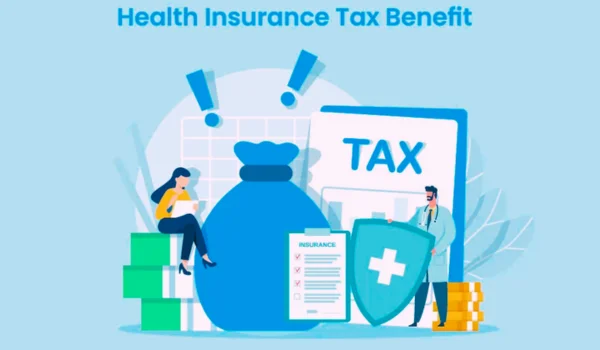
Eligible health insurance premiums can qualify for deductions under Section 80D of the Income Tax Act, subject to applicable conditions and the chosen tax regime.
The available deduction depends on factors such as:
- Age of the insured
- Who is covered
- Whether the policy covers self/family or parents
- Payment method
- Applicable tax regime
Tax benefits should not be the only reason for purchasing health insurance.
The primary purpose of health insurance is financial protection against eligible medical expenses.
Health Insurance Under the New Tax Regime
Tax deductions available under the Old Tax Regime are not all available under the New Tax Regime.
Therefore, do not assume that a health insurance premium automatically provides a tax deduction under your chosen regime.
Check the latest income-tax rules applicable to your financial year.
Common Health Insurance Mistakes
Buying Only Based on Premium
A cheap policy may have lower coverage or more restrictions.
Hiding Medical History
Always provide accurate information when purchasing insurance.
Ignoring Waiting Periods
A policy may not immediately cover every existing condition.
Choosing Very Low Coverage
A small sum insured may not be sufficient for major treatment.
Ignoring Co-Payment
A lower premium can sometimes come with higher out-of-pocket expenses.
Not Checking Network Hospitals
A preferred hospital may not offer cashless treatment under your policy.
Assuming Every Hospital Bill Is Covered
Policies contain exclusions, limits and conditions.
Depending Only on Employer Insurance
Employer coverage can be useful, but it may not be enough for your long-term needs.
Health Insurance Claim Process
A basic claim process can look like this:
Step 1: Inform the insurer as soon as possible according to the policy requirements.
Step 2: For planned treatment, request pre-authorisation for cashless treatment where applicable.
Step 3: Visit the network hospital if using the cashless facility.
Step 4: Provide required documents.
Step 5: The insurer assesses the claim.
Step 6: Eligible expenses are settled according to the policy.
For reimbursement claims, you generally pay the hospital first and submit the required documents afterward.
Always follow the specific procedure in your policy.
Frequently Asked Questions
Is health insurance necessary in India?
Health insurance can provide valuable financial protection against unexpected medical expenses. Whether and how much coverage you need depends on your financial situation and healthcare needs.
What is the best health insurance policy?
There is no single best policy for everyone. Compare coverage, exclusions, waiting periods, network hospitals, co-payment, room-rent limits, claim process and premium.
Is health insurance tax-free?
Health insurance itself is not an investment return. Eligible premiums may qualify for tax deductions under applicable provisions such as Section 80D.
Can I buy health insurance for my parents?
Yes, insurers offer policies for parents and senior citizens, subject to eligibility and underwriting conditions.
Can I use health insurance immediately?
Not necessarily. Many policies have initial and condition-specific waiting periods. Accidental treatment may have different rules.
Does health insurance cover pre-existing diseases?
It may, but often after a specified waiting period. The exact conditions depend on the policy.
What is the difference between health insurance and life insurance?
Health insurance primarily protects against eligible medical expenses. Life insurance primarily provides a death benefit and, depending on the policy, may also have savings or investment features.
Final Words
Health insurance is an important part of financial planning because a major medical event can create significant unexpected expenses.
For beginners, the most important thing is not simply finding the cheapest health insurance policy. Focus on getting appropriate coverage with clear terms.
Before purchasing, compare the:
Sum insured → Waiting period → Network hospitals → Room-rent limits → Co-payment → Exclusions → Claim process → Premium
Also disclose your medical information honestly and read the policy documents carefully.
Remember that every health insurance policy has its own terms, conditions, exclusions and limits. Cashless treatment does not mean every expense is automatically covered.
Insurance products are subject to policy terms and conditions. Always read the policy wording and latest insurer documents before purchasing.