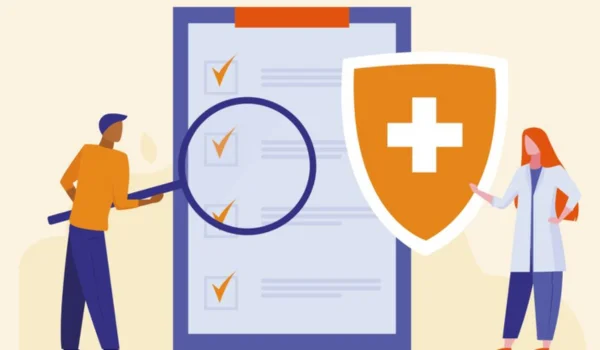







Health insurance does more than provide financial protection against medical expenses. If you are eligible and choose the old tax regime, you may also claim a deduction for eligible health insurance premiums and certain medical expenses under Section 80D.
Section 80D is especially useful for taxpayers who pay health insurance premiums for themselves, their spouse, dependent children and parents.
However, one important point should be remembered for 2026: Section 80D deduction is not available under the new tax regime. The deduction is relevant when you are eligible to use the old tax regime. The Income Tax Department’s AY 2026–27 guidance confirms that Section 80D deductions are available under the old regime, while the new-regime ITR validation rules do not permit the deduction.
What Is Section 80D?
Section 80D provides a tax deduction for eligible payments made towards:
- Health insurance premiums
- Preventive health check-ups
- Certain medical expenses for senior citizens when the required health insurance premium is not paid
The deduction is available subject to the applicable limits and conditions.
It is different from Section 80C, which covers certain investments and payments such as eligible life insurance premiums, PPF and other specified investments.
Section 80D Deduction Limit
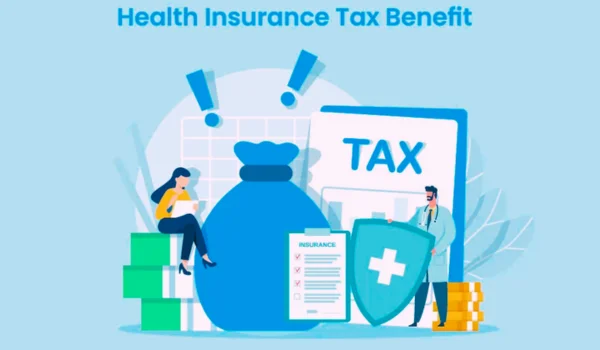
For AY 2026–27, the Income Tax Department provides the following limits for individuals:
| Payment/Person Covered | Maximum Deduction |
| Self, spouse or dependent children | ₹25,000 |
| Self/family where the relevant insured person is a senior citizen | ₹50,000 |
| Parents below 60 years | ₹25,000 |
| Parents who are senior citizens | ₹50,000 |
| Preventive health check-up | ₹5,000, included within the applicable limit |
The self/family and parent limits are separate, which means an eligible taxpayer can potentially claim deductions under both categories.
Maximum Section 80D Deduction
The maximum deduction depends on the ages of the insured persons.
For example, suppose:
- You are 40 years old
- Your spouse is 38
- Your parents are both below 60
You pay:
₹20,000 health insurance premium for yourself/family
and
₹20,000 for your parents.
Your eligible deduction can potentially be:
₹20,000 + ₹20,000 = ₹40,000
subject to the applicable conditions.
If Parents Are Senior Citizens
Suppose:
- You and your spouse are below 60
- Your parents are above 60
- You pay ₹20,000 for your own family policy
- You pay ₹45,000 for your parents’ health insurance
The potential deduction can be:
₹20,000 + ₹45,000 = ₹65,000
because the applicable parent limit is higher when the relevant parent is a senior citizen.
Section 80D for Senior Citizens
A senior citizen is generally a person who is 60 years or older for the relevant tax provisions.
For Section 80D, the applicable limit can increase from ₹25,000 to ₹50,000 when the relevant insured person is a senior citizen.
This can make Section 80D particularly useful for people paying health insurance premiums for elderly parents.
The Income Tax Department’s current AY 2026–27 guidance confirms the ₹50,000 limit for senior-citizen coverage.
Section 80D for Parents
You can claim a separate Section 80D deduction for eligible health insurance premiums paid for your parents.
The applicable limit depends on their age.
Parents below 60
Maximum deduction:
₹25,000
Parents who are senior citizens
Maximum deduction:
₹50,000
This is separate from the deduction available for yourself, your spouse and dependent children.
Section 80D Preventive Health Check-Up Deduction
Section 80D also includes a deduction for eligible preventive health check-ups.
The maximum amount specifically available for preventive health check-ups is:
₹5,000
However, this ₹5,000 is not an additional ₹5,000 over and above the Section 80D limit.
It is included within the applicable Section 80D limit.
For example, if your maximum applicable limit is ₹25,000, you cannot claim ₹25,000 for insurance plus another ₹5,000 for a check-up under the same limit.
The total remains subject to the applicable ₹25,000 limit.
Example of Preventive Health Check-Up
Suppose you pay:
- ₹20,000 health insurance premium
- ₹5,000 eligible preventive health check-up expense
Your total eligible amount can be:
₹25,000
assuming all other conditions are satisfied.
You cannot claim ₹30,000 under the same ₹25,000 limit.
Medical Expenses for Senior Citizens
Section 80D can also provide a deduction for certain medical expenditure incurred on a senior citizen when no premium is paid for health insurance coverage, subject to the applicable conditions.
The current Income Tax Department guidance lists a maximum deduction of:
₹50,000
for this category.
This provision can be useful for senior citizens who do not have qualifying health insurance coverage and for whom eligible medical expenses are incurred.
Section 80D and New Tax Regime
This is one of the most important points for taxpayers.
Section 80D deduction cannot be claimed under the new tax regime.
The Income Tax Department’s AY 2026–27 ITR validation rules specifically state that deductions including Section 80D cannot be claimed when the new tax regime is selected.
Therefore:
Old Tax Regime
Section 80D deduction: Available, subject to conditions
New Tax Regime
Section 80D deduction: Not available
The new tax regime remains the default regime, but eligible taxpayers can opt for the old regime where applicable.
Section 80D vs Section 80C
These two sections are often confused.
| Feature | Section 80D | Section 80C |
| Main purpose | Health insurance and eligible medical expenses | Specified investments/payments |
| Health insurance premium | Yes | No |
| Preventive health check-up | Yes, within limit | No |
| PPF | No | Yes |
| ELSS | No | Yes |
| Life insurance | Generally not under 80D | Eligible subject to conditions |
| Maximum limit | Depends on age and category | ₹1.5 lakh subject to conditions |
Section 80D has its own separate deduction framework and should not be treated as part of the ₹1.5 lakh Section 80C limit.
Who Can Claim Section 80D?
Generally, eligible individuals and Hindu Undivided Families can claim deductions under Section 80D subject to the applicable provisions and conditions.
For individuals, the deduction can relate to eligible payments for:
- Self
- Spouse
- Dependent children
- Parents
The Income Tax Department also provides separate Section 80D guidance for HUFs.
How to Claim Section 80D While Filing ITR
If you are eligible to claim the deduction under the old tax regime, keep your health insurance payment information ready.
The Income Tax Department states that taxpayers claiming Section 80D need to provide details such as:
- Name of the insurer
- Policy number
- Health insurance amount
These details are required in the relevant ITR process.
A simple process is:
Step 1: Select the Applicable Tax Regime
Check whether you are filing under the old tax regime.
Step 2: Collect Insurance Details
Keep your:
- Policy document
- Premium receipt
- Policy number
- Insurer details
ready.
Step 3: Calculate Eligible Deduction
Check the applicable Section 80D limit based on the age of the insured persons.
Step 4: Enter Details in ITR
Enter the eligible Section 80D amount in the appropriate deduction section of your ITR.
Step 5: Keep Supporting Documents
You generally do not need to attach every supporting document with the ITR, but keep your receipts and policy documents safely in case they are needed later.
How Should Health Insurance Premium Be Paid?
The mode of payment matters for claiming the deduction.
For health insurance premium, payment should generally be made through an eligible mode as prescribed under the tax provisions.
For preventive health check-ups, cash payment can be permitted subject to the applicable conditions and limits.
Before claiming a deduction, check the latest tax rules applicable to the assessment year.
Can You Claim 80D for Parents’ Insurance?
Yes, an eligible taxpayer can claim Section 80D deduction for eligible health insurance premiums paid for parents.
The limit is:
₹25,000 for parents below 60
or
₹50,000 where the applicable parent is a senior citizen.
The parent-related deduction is separate from the self/family limit.
Can Husband and Wife Both Claim 80D?
The answer depends on who actually pays the eligible premium and the circumstances.
The same insurance premium should not be claimed twice by both spouses.
If both spouses have separate eligible payments, each person’s eligible deduction may be considered separately according to the applicable tax provisions.
Keep payment records and policy documents to support your claim.
Can You Claim 80D for Siblings?
Generally, Section 80D covers health insurance payments for self, spouse, dependent children and parents.
It does not generally provide the same deduction for health insurance premiums paid for siblings merely because they are family members.
Always check the exact statutory conditions before claiming a deduction.
Can You Claim 80D for Parents-in-Law?
Section 80D specifically provides for self, spouse, dependent children and parents.
Therefore, do not automatically assume that a premium paid for parents-in-law qualifies under the parent category.
The eligibility should be checked based on who is covered by the provision and who actually makes the payment.
Section 80D Example for a Family
Consider this example:
Taxpayer: 42 years old
Spouse: 39 years old
Children: Below 60
Parents: 68 and 65 years old
Suppose the taxpayer pays:
- ₹24,000 for family health insurance
- ₹48,000 for parents’ health insurance
The applicable limits are:
Self/family: ₹25,000
Senior-citizen parents: ₹50,000
Therefore, the eligible amount could be:
₹24,000 + ₹48,000 = ₹72,000
subject to the applicable conditions.
Section 80D Example With Preventive Check-Up
Suppose you pay:
- ₹18,000 health insurance premium
- ₹5,000 eligible preventive health check-up
Total:
₹23,000
If your applicable limit is ₹25,000, the eligible amount can potentially be ₹23,000.
If you paid ₹25,000 premium plus ₹5,000 check-up, you generally cannot claim ₹30,000 because the ₹5,000 preventive check-up allowance is included within the overall limit.
Common Mistakes Under Section 80D
Mistake 1: Claiming 80D Under the New Regime
Section 80D is not available under the new tax regime.
Mistake 2: Treating ₹5,000 Check-Up Benefit as Extra
The ₹5,000 preventive check-up amount is included within the applicable Section 80D limit.
Mistake 3: Ignoring Parents’ Age
The limit can increase when the relevant parent is a senior citizen.
Mistake 4: Claiming the Same Premium Twice
The same eligible premium should not be claimed by multiple taxpayers.
Mistake 5: Losing Premium Receipts
Keep insurance receipts and policy documents safely.
Mistake 6: Assuming Every Medical Expense Qualifies
Only eligible expenses covered by the relevant provision can be claimed.
Section 80D Checklist
Before claiming the deduction, check:
- You are eligible to claim Section 80D
- You are using the old tax regime
- The payment qualifies under Section 80D
- You have checked the age of the insured person
- You have calculated the correct limit
- You have the insurer’s name
- You have the policy number
- You have the premium amount
- You have kept the payment receipt
- You have not claimed the same amount twice
Frequently Asked Questions
What is the maximum Section 80D deduction?
For individuals, the maximum depends on the age of the insured persons. The current AY 2026–27 guidance provides ₹25,000 for self/family and another ₹25,000 for parents, with the respective limits increasing to ₹50,000 where the relevant insured person is a senior citizen.
Can I claim Section 80D under the new tax regime?
No. Section 80D deduction is not available under the new tax regime.
Is the ₹5,000 preventive health check-up deduction additional?
No. The ₹5,000 preventive health check-up amount is included within the applicable Section 80D limit.
Can I claim 80D for my parents?
Yes, eligible taxpayers can claim the applicable deduction for eligible health insurance premiums paid for parents, subject to the age-based limits and other conditions.
What if my parents are senior citizens?
The parent-related Section 80D limit can increase from ₹25,000 to ₹50,000 when the relevant parent is a senior citizen.
Can senior citizens claim a deduction for medical expenses?
Yes, Section 80D provides a deduction for eligible medical expenditure incurred on a senior citizen when the specified health insurance premium is not paid, subject to the applicable conditions and ₹50,000 limit.
Do I need health insurance to claim Section 80D?
For the health insurance premium deduction, you need an eligible health insurance payment. A separate provision can apply to eligible medical expenditure for senior citizens when no qualifying health insurance premium is paid.
Final Verdict
Section 80D can provide a useful tax benefit to people who pay eligible health insurance premiums for themselves, their family and their parents.
For AY 2026–27, remember these key numbers:
₹25,000 – Self/family limit in the applicable non-senior category
₹50,000 – Self/family limit where the relevant insured person is a senior citizen
₹25,000 – Parent limit where the relevant parent is below 60
₹50,000 – Parent limit where the relevant parent is a senior citizen
₹5,000 – Preventive health check-up limit, included within the applicable overall limit
Most importantly, Section 80D is not available under the new tax regime. If you are considering the old tax regime, calculate your total deductions and compare both regimes before making your final tax choice.
Tax rules can change, so verify the latest Income Tax Department guidance before filing your return.
This article is for general educational purposes and is not tax, legal or financial advice. Tax deductions are subject to the Income Tax Act, applicable rules and the taxpayer’s individual circumstances.